
Your gutters are crucial for keeping your home safe from rainwater, but their effectiveness relies on more than just the gutters themselves. It’s a team effort involving the roof, flashing, gutters, and downspouts, all working in harmony to direct water away from your home. One key player in this system is reverse flashing, which is installed at the roof-to-gutter transition. This helps create a more controlled route for roof runoff as it flows into the gutter system.
In this guide, we’ll dive into why reverse flashing is important for gutter performance and what homeowners should keep in mind when assessing their current system.
What You’ll Learn
By the end of this guide, you’ll understand:
- Why the roof-to-gutter transition affects overall gutter performance
- How reverse flashing supports efficient water entry
- Why gutter capacity involves more than gutter size
- How flashing can factor into a new gutter installation
- Why gutter replacement is a good time to inspect flashing
- How gutter pitch, downspouts, and flashing work together
Why Reverse Flashing Matters For Proper Gutter Performance
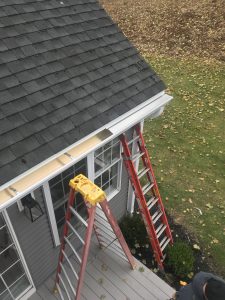
Why The Roof-to-Gutter Transition Matters
When rain taps on your roof, gravity pulls the water down to the lower edge. From there, it needs to make its way into the gutter before heading toward the downspout.
While this might sound straightforward, it plays a crucial role in the drainage system.
If the connection between your roof and gutter isn’t set up just right, some of that runoff might not flow into the gutter as smoothly as it should. Instead, water could sneak through gaps, edges, or other routes rather than heading straight into the gutter channel.
That’s where reverse flashing comes in handy—it creates a surface that helps direct the water right into the gutter.
For homeowners, this means you can’t judge gutter performance just by how the gutter looks or its condition
The area right above and behind the gutter needs some love and attention too.
For homeowners, getting a grip on reverse flashing can be particularly beneficial when putting in new gutters, replacing an old setup, or looking into ongoing drainage issues.
Sometimes, a gutter system might seem perfectly fine from the ground, yet still have vulnerabilities where the roof and gutter connect.
How Reverse Flashing Supports Gutter Performance
The primary role of a gutter is to gather the water that runs off your roof and channel it down to a downspout. Reverse flashing plays a crucial role in this by managing the water flow right at the edge of the roof.
You can think of your gutter system as a well-orchestrated series of steps. First, the roof catches the rain. Then, the roof edge guides that runoff downwards. Flashing steps in to manage the transition smoothly. The gutter collects all that water, and finally, the downspout whisks it away from your home.
If any part of this process isn’t set up correctly, it can throw off the entire system’s performance.
By using reverse flashing, you can create a smoother transition between the roof and the gutter, ensuring that the gutter does its job effectively.
Gutter Size Is Only One Part of the Equation
When homeowners think about how well their gutters perform, they often zero in on the size of the gutters.
Sure, larger gutters can handle more water than their smaller counterparts when conditions are just right, but size isn’t the only thing that counts.
Even if a gutter has enough capacity, it can still run into issues if water isn’t flowing into it the way it should.
Take, for instance, a scenario where you’ve installed a perfectly sized gutter under a roof, but there’s a poor transition between the roof edge and the gutter itself. During a heavy downpour, water might rush toward the gutter but struggle to enter the channel as smoothly as you’d hope.
That’s why it’s crucial to assess gutter performance as part of a complete system. Factors like the gutter profile, roof design, pitch, flashing, downspouts, and drainage layout all play a role in how effectively the system handles rainfall.
See real results by viewing our Past Work.
Reverse Flashing Can Help During Heavy Summer Rain
Summer storms can really put a strain on residential gutter systems. Even a short but heavy downpour can dump a lot of water on the roof in no time. When the rain starts pouring, it’s crucial that every part of the drainage system operates smoothly.
This is often when any weaknesses in the roof-to-gutter transition become glaringly obvious.
Reverse flashing can be a great help in directing runoff into the gutter during these stormy times. However, it’s essential to remember that flashing isn’t a catch-all solution for every gutter issue.
A gutter can still overflow due to heavy rainfall, blocked channels, insufficient downspouts, incorrect pitch, or a system that just isn’t the right size for the roof.
Reverse flashing is just one piece of a bigger puzzle when it comes to effective water management.
Why Flashing Should Be Considered During Gutter Installation
When you’re getting new gutters put in, it’s a good idea to think about more than just the gutters themselves. A skilled installation should take into account how the new gutter system will work with the current roof edge and other elements.
This becomes especially crucial if you’re swapping out an older gutter system.
The previous setup might have been tailored to conditions that have shifted over the years, or past work may not have fully tackled every detail of the roof-to-gutter connection.
During installation, a professional can evaluate factors such as:
- The location of the roof edge
- Existing flashing
- Fascia condition
- Gutter placement
- Roof pitch
- Gutter pitch
- Downspout locations
- Areas where runoff may bypass the gutter
Taking these factors into account before installing new gutters can save homeowners from dealing with drainage issues down the line.
Gutter Replacement Is a Good Time to Inspect Flashing
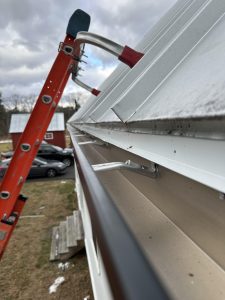
Replacing gutters is a great chance to take a closer look at areas that are usually hard to access.
When you take down an old gutter system, it opens up the roofline and nearby components for a thorough inspection. This can uncover problems that were previously hidden behind the old gutters.
Homeowners might find issues like damaged flashing, worn-out materials, shoddy installation practices, or other concerns that need to be tackled before putting in the new gutter system.
That said, not every gutter replacement means you need to replace the flashing too. The key is to assess the existing components and see if they’re still suitable for the new setup.
Fixing any issues during a gutter replacement can also save time compared to installing new gutters first and then finding out there’s a problem with the roofline later on.
Reverse Flashing and Gutter Pitch Serve Different Purposes
Gutter pitch plays a crucial role in how well your gutters perform. When gutters are pitched correctly, they guide water toward the downspout instead of letting it sit stagnant in the channel. The specific pitch you need can vary based on the gutter system and how it’s installed.
Now, let’s talk about reverse flashing, which has a different job altogether.
While the pitch of the gutter is all about directing water flow, flashing is there to manage how water enters the gutter in the first place.
Both elements are essential, but they tackle different aspects of the drainage process. If water isn’t efficiently entering the gutter, even the best pitch won’t fix the issue. Similarly, no matter how well the flashing is installed, it can’t make up for a gutter that’s pitched incorrectly or clogged with debris. It’s all about making sure these components work in harmony.
Downspouts Also Affect Gutter Performance
Downspouts play a crucial role in directing the water collected by gutters to a suitable discharge area.
Even if water flows into the gutter as it should, the whole system can falter if there aren’t enough downspouts or if the ones in place can’t handle the volume of water coming in.
That’s why it’s important for homeowners to think about where downspouts are located when assessing how well their gutters are performing.
A well-thought-out system should create a smooth path for water to travel from the roof, through the gutter, and down into the downspout.
Reverse flashing is key to this process, as it helps manage the transition from the roof to the gutter effectively.
Reverse Flashing Does Not Eliminate Gutter Maintenance
Just because you’ve installed reverse flashing doesn’t mean you can forget about your gutters. Over time, leaves, twigs, dirt, and other debris can pile up inside, blocking the flow of water. Plus, downspouts can get clogged, leading to backups that can throw the whole system off balance.
That’s why regular maintenance is still crucial, even with professionally installed gutters. Homeowners should take a moment to check their gutters every now and then, especially before heavy rain hits.
If you spot any debris buildup, sagging sections, standing water, or consistent overflow, it might be time for a cleaning, some repairs, or even a professional check-up.
Keeping your gutters clear ensures that your roof, flashing, gutter, and downspout system all work together smoothly.
Signs Your Gutter System May Need an Evaluation
There’s no need to wait for major problems to arise before you get your gutter system checked out.
If you notice certain ongoing issues, it might be a sign that your gutters aren’t managing water as well as they ought to.
Watch for:
- Water consistently spilling over the gutter
- Runoff bypassing the gutter
- Water appearing between the roof edge and gutter
- Gutters that remain full after rainfall
- Repeated gutter separation or sagging
- Downspouts that discharge very little water during storms
- Water collecting near the foundation
- Areas of the roofline that appear to stay unusually wet
There are quite a few potential reasons behind these symptoms.
Getting a professional inspection can really help figure out if the problem lies with the flashing, gutter design, downspouts, maintenance, or some other aspect of your home’s drainage system.
When Should Homeowners Consider Reverse Flashing?
If you’re putting in new gutters or dealing with ongoing issues at the roof-to-gutter junction, it might be a good idea to chat with a gutter expert about reverse flashing.
This could also come into play if your roof has a design that complicates drainage or if an inspection shows that the current flashing is either damaged or just not up to par.
For homeowners swapping out an old gutter system, it’s wise to ask if the roof-to-gutter transition is set up correctly for the new installation.
The answer will really depend on how your home is built and its current drainage system. Keep in mind that reverse flashing isn’t a one-size-fits-all solution, so getting a professional’s take is the best way to figure out if it’s right for your home.
Why a Complete Gutter System Evaluation Matters
One of the biggest blunders homeowners can make is viewing a gutter issue as a standalone problem.
Take, for instance, the act of replacing a gutter. It might not fix the underlying issue if the real culprit lies with the roof edge or the flashing. Likewise, putting in new flashing won’t do much if the problem stems from a gutter that’s too small or a downspout that’s clogged.
A thorough assessment takes into account the entire drainage system.
This means looking at everything: the roof, roof edge, flashing, gutters, gutter pitch, downspouts, and the spots where water eventually flows out.
By taking this comprehensive approach, homeowners can gain a clearer picture of how their system operates and identify what actual improvements might be needed.
Preparing Your Gutters for Summer Storms
Summer is the perfect opportunity to take a closer look at how your gutters are performing, especially before those summer storms roll in and reveal any hidden issues.
Start by inspecting for any visible debris, loose sections, or damaged gutters, and don’t forget to check those downspouts for blockages. Pay attention to spots where water tends to overflow during rain.
If your gutters are getting up there in age or you’re already thinking about a replacement, it might be a good idea to have the whole roof-to-gutter transition assessed.
By tackling potential issues before the severe weather hits, you can feel more confident that your drainage system is ready to take on the seasonal downpours.
How Alo Seamless Gutters Can Help
At Alo Seamless Gutters, we’re here to help homeowners navigate the ins and outs of their gutter systems, whether you’re looking to assess what you have or plan for a brand-new installation. Our thorough evaluation can pinpoint any issues related to gutter placement, the transitions from roof to gutter, flashing, gutter pitch, and how your downspouts are set up.