
Your gutters are crucial for keeping your home safe from rainwater, but they can’t handle everything on their own. The spot where your roof, fascia, and gutter system come together is particularly important because if the roofline isn’t well protected, water can sneak behind the gutter. Over time, this trapped moisture can lead to damage in fascia boards, soffits, siding, and other parts of your home’s exterior. One helpful feature for managing water in this area is reverse flashing.
This clever addition is designed to channel water away from those vulnerable spots around the roofline and guide it toward the gutter system.
When installed correctly, it enhances water management and adds an extra layer of protection for your home’s exterior. Summer is a fantastic time for homeowners to focus on this part of the roofline. The warmer weather makes it easier to check your gutters, spot any potential issues, and tackle problems before the heavier rains and unpredictable weather of late summer and fall roll in.
What You’ll Learn
In this guide, you’ll learn:
- How water moves from your roof toward your gutters
- Why the roof-to-gutter connection is important
- Where water can get behind a gutter system
- How reverse flashing helps redirect water
- How reverse flashing can protect fascia and other exterior materials
- Why proper flashing can support long-term gutter performance
- When your home may benefit from professional reverse flashing work
How Reverse Flashing Works To Protect Your Home and Gutters
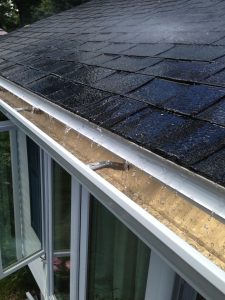
Understanding the Roof-to-Gutter Connection
Your roof and gutter system play a crucial role in keeping rainwater away from your home. When it rains, water cascades down your roof and heads straight for the edge. That’s where the gutter comes in, collecting the water and channeling it down through the downspouts, safely directing it away from your foundation.
One of the key players in this whole process is the connection between the roof and the gutter. If water doesn’t flow smoothly from the roof into the gutter, it might sneak behind the gutter or run along the fascia board instead.
There are a few reasons this might happen. Maybe the flashing wasn’t installed correctly, there are gaps in the roofline, or the gutter isn’t positioned just right under the roof edge. Over time, constant exposure to water can lead to issues for the materials around the gutter.
To help with this, reverse flashing can act as an extra layer of protection and a drainage route in that area. Instead of letting water seep toward the more vulnerable parts of the roofline, well-installed flashing directs it toward the proper drainage system.
For homeowners, this means that paying attention to the little details around the roof edge can make a big difference in how effectively the entire gutter system works.
How Water Moves Along Your Roofline
Understanding how water moves across your roof is key to grasping the importance of flashing.
When a rainstorm hits, water naturally flows down the slope of your roof and heads toward the lower edge. Ideally, it should reach the gutter and flow into the channel without sneaking underneath the roofing materials or behind the gutter. But, as we know, water doesn’t always stick to a straight path. Wind can whip rain sideways, heavy downpours can ramp up the runoff, and even tiny flaws along the roof edge can give water a chance to wander where it shouldn’t.
Summer storms are especially helpful for spotting these issues. A heavy rain gives homeowners a chance to see if water is making its way into the gutters as it should or if it’s spilling over and behind them. If you notice water consistently pooling along the fascia, siding, or behind the gutter, the issue might extend beyond just the gutter itself. It’s a good idea to check the roofline and flashing as well.
Effective water management begins long before the water reaches the gutter. Flashing, roofing materials, fascia, and gutters all need to work in harmony to create a dependable route for runoff.
Where Water Can Escape Behind Gutters
One of the main worries when it comes to gutter systems is the potential for water to seep into areas that aren’t built to handle constant moisture.
If water manages to get behind the gutter, it can end up touching the fascia board. This board is crucial for both the structure and the finishing touch along the roof’s edge, but if it’s exposed to moisture too often, it can start to deteriorate.
Water might also find its way to other parts of the exterior, depending on how the home is designed and its current condition. Once moisture starts to invade these areas repeatedly, homeowners might notice issues like staining, peeling paint, soft wood, or other signs of water damage.
The tricky part is that these problems can be hard to spot since much of the damage happens behind the gutter. From the ground, everything might look fine, even if water is sneaking in behind it.
That’s why summer inspections are so important. Before the tougher seasonal weather hits, homeowners can have the roof edge, gutters, and flashing checked for any signs of water getting in.
A professional inspection can help figure out if the problem lies with the gutter itself, the roof edge, the flashing, or a mix of these components.
How Reverse Flashing Redirects Runoff
Reverse flashing is a clever solution designed to manage water at the roofline, guiding runoff toward the gutter instead of letting it sneak behind.
The way it’s installed can differ based on your home’s roof style, gutter setup, and the materials already in place. When done right, this flashing works hand in hand with your roof and gutter system, tackling water issues at one of the most vulnerable spots on your home’s exterior.
Think of reverse flashing as a key player in your home’s water-management strategy. Your roof gathers rainwater, the flashing directs that water, gutters catch it, and downspouts whisk it away from your house.
If any part of this system isn’t working as it should, water can end up where it shouldn’t be.
It’s important to note that reverse flashing isn’t a substitute for a well-installed gutter system. Instead, it enhances the gutter system by improving how water flows into it and providing extra protection for the area right behind.
For homeowners who have dealt with water seeping behind their gutters, reverse flashing could be a worthwhile option to explore with a professional.
Want to see how this looks in real installations? See real results by viewing our Past Work.
Protecting Fascia, Siding, and Exterior Wood
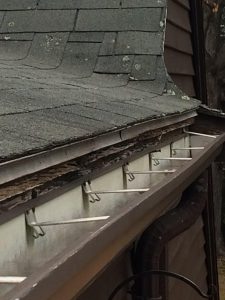
Your gutter system does more than just manage water; it plays a crucial role in safeguarding the materials around your home.
When rainwater is effectively channeled away from the roofline, it minimizes unwanted moisture exposure. But if water starts to seep behind the gutter, it can put the fascia and surrounding materials at risk.
Fascia boards are especially significant since gutters are typically mounted along this section. If the fascia starts to break down, it could jeopardize the stability and secure attachment of your gutter system.
Homeowners may notice warning signs such as:
- Water stains around or beneath the gutter
- Peeling or damaged paint near the roofline
- Wood that appears soft or deteriorated
- Moisture appearing behind the gutter
- Gutters pulling away from the fascia
- Water flowing down the exterior wall during rain
These signs do not automatically mean reverse flashing is required. They do, however, indicate that the roofline and gutter connection deserves closer attention.
Addressing water-management issues early can help homeowners avoid allowing a small drainage problem to develop into a more expensive exterior repair.
Protect Your Home with Reverse Flashing Today. Contact Us To Schedule a Free Estimate.
How Reverse Flashing Supports Long-Term Gutter Performance
A gutter system requires more than just the right-sized gutters and downspouts to work effectively. The way it’s installed along the roofline can significantly impact how well it manages rainwater.
Reverse flashing plays a key role in enhancing gutter performance by allowing water to flow into the gutter more efficiently and reducing the chances of runoff sneaking behind it.
This becomes especially important during heavy rainfalls. When a large volume of water hits the roof edge all at once, any weaknesses in the transition from roof to gutter can really show.
Summer is an ideal time to check these details, as homeowners can tackle any potential issues before fall arrives with its extra rainfall and seasonal debris.
It’s also a great chance to pair a flashing inspection with regular gutter maintenance. Clearing out leaves, twigs, and other debris ensures that water can flow freely through the gutter and downspout system.
However, just cleaning the gutters might not fix a water intrusion issue. If the gutters are spotless but water is still getting behind them, it’s time to take a closer look at the roof edge and flashing.
A thorough approach to gutter maintenance considers the entire drainage system, rather than just zeroing in on the gutter channel.
When Your Home May Benefit From Reverse Flashing
Not every home needs reverse flashing, and figuring out if it’s necessary really hinges on the way your roofline and gutter system are built and their current condition.
If you’ve been dealing with persistent water pooling behind the gutters, damaged fascia, or issues where the roof meets the gutter, a professional might suggest looking into reverse flashing.
It’s also something to think about when you’re replacing gutters or doing any other work on your roofline. Making sure the gutter and flashing work together can lead to a more efficient drainage system overall.
Homeowners should keep an eye on how their gutters perform during summer storms. If you notice water spilling over the back of the gutter, see stains near the fascia, or spot water trickling down the siding, don’t just assume the gutter is the sole culprit.
The issue could stem from the gutter’s slope, the roof edge, the flashing, downspouts, or another part of the drainage setup.
Getting a professional to assess the situation can help pinpoint the root of the problem and figure out what repairs or upgrades might be needed.
Your home may benefit from reverse flashing if you notice:
- Water getting behind your gutters
- Staining or moisture around the fascia
- Damaged or deteriorating fascia boards
- Gutters pulling away from the roofline
- Water spilling over during heavy rain
If you notice these warning signs, a professional inspection can help determine whether reverse flashing is an appropriate solution for your gutter system.
Protect Your Gutters Before Summer Storms Arrive with Alo Seamless Gutters
Alo Seamless Gutters is here to help homeowners safeguard their gutter systems against those summer storms with our expert gutter installation, maintenance, and roofline solutions.