
Your gutter system is crucial for keeping your home safe, but its effectiveness really hinges on the little details that support it. One often overlooked element is reverse flashing—a straightforward addition that can save you from significant water damage down the line. Without it, water might sneak behind your gutters, causing rot, stains, and expensive repairs that often go unnoticed until it’s too late. In this guide, we’ll explore how reverse flashing works, why it’s important, and when it’s absolutely necessary—helping you safeguard your home and make the most of your gutter system.
What You’ll Learn About Reverse Flashing:
- What reverse flashing is and why it’s critical for gutter performance
- How reverse flashing works with drip edge and seamless gutters
- The common causes of water getting behind gutters
- Problems that occur without reverse flashing (like fascia rot and staining)
- When to install reverse flashing and how it helps prevent costly repairs
Water damage isn’t just the result of dramatic roof leaks; it often sneaks in from those little, easily overlooked spots. A prime culprit? Right behind your gutters. Even if your gutter system is installed perfectly, water can still find a way to slip behind it, leading to issues like rot, staining, and expensive repairs down the line. That’s where reverse flashing comes into play.
Reverse flashing is a straightforward yet incredibly effective enhancement to your gutter system. It works in tandem with the drip edge to make sure water flows into your gutters instead of behind them. If you’ve put money into seamless gutters, a gutter guard, or regular gutter cleaning services, this upgrade is essential to keep everything functioning as it should.
Why Reverse Flashing Should Be Important To Homeowners
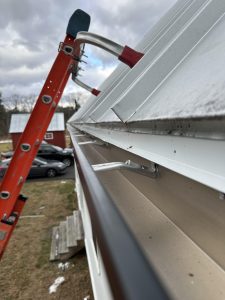
Reverse flashing is one of those upgrades that often flies under the radar for most homeowners—until an issue arises. By the time you spot peeling paint, rotting wood, or water dripping where it shouldn’t, the damage might already be in progress.
At its essence, reverse flashing is all about prevention. It helps channel water safely into your gutters instead of letting it sneak behind them. This becomes especially crucial in areas that experience heavy rain, strong winds, or seasonal ice.
Here’s why reverse flashing should matter to every homeowner:
- Helps prevent fascia board rot and structural damage
- Stops water from staining siding and trim
- Protects entryways, walkways, and windows from dripping water
- Improves the performance of seamless gutters
- Supports the effectiveness of any guard for gutters system
Without reverse flashing, even a well-kept system can run into trouble. If you’re already putting money into tools to clean your gutters or booking a gutter cleaning service, it only makes sense to fully protect that investment.
Ready to upgrade your system the right way? Contact Us To Schedule a Free Estimate
How Reverse Flashing Works in a Gutter System
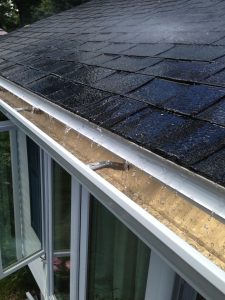
Reverse flashing serves as a crucial link between your roof’s edge and your gutters. It’s installed right beneath the drip edge and extends out into the gutter, effectively sealing off the gap where water usually escapes. Often, installers attempt to tweak the drip edge so that water flows directly into the gutter.
As mentioned earlier, contractors frequently “manipulate the drip edge out a little so that any drips will fall directly into the gutter.” However, this fix doesn’t always stand the test of time.
That’s where reverse flashing comes in, providing a more dependable route for water to follow.
Here’s how reverse flashing improves your gutter system:
- Extends under the drip edge and into the gutter
- Directs all water flow into the gutter channel
- Prevents water from wicking behind the fascia
- Reinforces older or damaged drip edges
- Works seamlessly with modern seamless gutters
This extra layer of control makes sure that water has no other place to go. So, if you’re thinking about fixing your rain gutters or upgrading your system, don’t forget to include reverse flashing in the discussion.
Want to see how this looks in real installations? See real results by viewing our Past Work.
The Purpose of Drip Edge and Its Limitations
Drip edge is a common roofing feature that gets installed right under the first row of shingles. Its main purpose is to direct water away from the fascia, helping to keep it from leaking into the more vulnerable parts of your roofline.
It sounds straightforward—and in theory, it should do the trick. But in reality, drip edges don’t always work as intended.
That’s where reverse flashing often comes into play. Here are some key limitations of a standard drip edge:
- It may sit too flat, allowing water to follow the fascia downward
- Some materials are too thick or brittle to adjust
- Ice and snow can push it back into place over time
- Wind-driven rain can force water underneath it
- It cannot fully stop “wicking action”
Wicking action is a crucial factor to consider. As mentioned, “the slower moving droplets will follow the contours… run back up under the shingle and then down the drip edge.” This indicates that water can actually flow backward before it even reaches your gutter system.
Reverse flashing tackles these issues by making sure that water is always directed forward—right into the gutter.
Reverse Flashing Explained: What Homeowners Need To Know To Protect Their Gutters
Common Problems Without Reverse Flashing
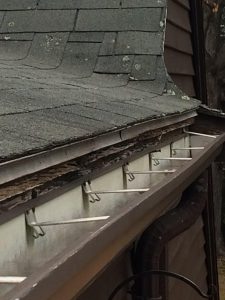
When reverse flashing is overlooked, what begins as a small water problem can quickly escalate into an expensive repair. The damage often creeps in unnoticed, hiding behind the gutters, making it easy to dismiss until you start seeing visible signs.
Without reverse flashing, your gutter system becomes much more susceptible than many homeowners think. Water can become trapped or redirected in ways the system wasn’t built to manage, leading to slow but serious wear and tear.
Common issues include rotting fascia boards due to trapped moisture, unsightly water stains on siding or trim, and water dripping onto doors, stairs, or walkways. In some cases, mold and mildew can thrive in hidden spots, and even a gutter guard system might struggle to do its job effectively.
These problems often result in ongoing maintenance, with homeowners relying on tools to clean gutters or scheduling frequent gutter cleaning services—only to find the same issues popping up again. The truth is, cleaning alone won’t resolve a design flaw. Reverse flashing tackles the root issue by ensuring water is directed correctly from the very beginning.
What Causes Water to Drip Behind Gutters
Water getting behind gutters isn’t just a sign of shoddy installation. More often than not, it’s a result of natural elements at play—think wind-driven rain, ice accumulation, and sluggish water flow—finding their way through tiny gaps in the system. Even a well-placed drip edge can let water travel in surprising directions, particularly through a process called wicking, where moisture sneaks back under shingles and drips down behind the gutter.
This is where reverse flashing really comes into play. Its job is to seal those gaps and manage water flow, ensuring that water is funneled into the gutter rather than slipping behind it. This not only helps safeguard your fascia but also prevents potential long-term damage.
Here are the most common causes:
- Wicking action pulling water backward under shingles
- Improper or unadjusted drip edge positioning
- Wind-driven rain forcing water behind the gutter
- Ice and snow shifting materials during colder months
- Overflow from clogged systems that need tools clean gutters
As we mentioned before, if the drip edge doesn’t extend far enough out, any drips can run down the wood and get behind the gutters. Using reverse flashing helps to stop this issue, directing water to flow exactly where it’s supposed to go.
If you’re noticing signs like staining or dripping, it may be time to fix rain gutters properly.
Contact Us To Schedule a Free Estimate.
How Reverse Flashing Prevents Water Damage
Reverse flashing is a clever solution that takes the guesswork out of your gutter system. Rather than just depending on the drip edge, it creates a solid barrier that channels water directly into the gutter every single time. This makes it one of the best methods for preventing long-term water damage.
Here’s how reverse flashing keeps your home safe:
- Forces water directly into the gutter system
- Blocks moisture from reaching the fascia board
- Prevents rot, mold, and structural deterioration
- Reduces the need for frequent clean gutters service
- Enhances the performance of seamless gutters
Think of reverse flashing as your safety net. Even when the weather isn’t cooperating, it makes sure your system keeps running smoothly.
When Reverse Flashing Is Necessary
Not every home is equipped with reverse flashing, but many could really benefit from having it. If you notice any signs of water being directed the wrong way around your home, it might be time to think about adding this feature.
Reverse flashing becomes particularly crucial in certain situations.
You might need reverse flashing if:
- Your home has an older or deteriorating drip edge
- You experience frequent wind-driven rain
- You’ve noticed recurring fascia damage
- You’re upgrading or installing seamless gutters
- You need to fix rain gutters that aren’t performing
Cost and Considerations for Installing Reverse Flashing
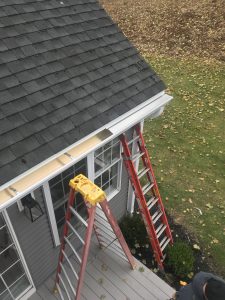
One of the greatest perks of reverse flashing is that it provides excellent protection without breaking the bank. When you weigh it against the potential costs of fixing water damage, it’s a smart and budget-friendly upgrade.
Typically, reverse flashing is put in place during gutter replacements, but it can also be added to systems that are already in use.
Before you dive in, keep these points in mind:
- The condition of your current drip edge and fascia
- Whether you’re installing or upgrading to seamless gutters
- Compatibility with existing guard for gutters systems
- Labor costs for retrofitting an existing system
- Long-term savings from reduced maintenance and repairs
Incorporating reverse flashing during a project usually costs a lot less than having to repair damaged wood, siding, or interior spaces down the line.
Choose Alo Seamless Gutters for Reverse Flashing & Seamless Gutter Installations
Alo Seamless Gutters offers top-notch solutions by pairing custom-fit seamless gutters with expertly installed reverse flashing. This clever design ensures that water flows right into your gutters instead of sneaking behind them. With this extra layer of protection, you can avoid issues like fascia damage, unsightly stains, and serious structural problems down the line. Plus, it boosts the durability of your gutters against wind, rain, and the wear and tear that comes with changing seasons.