
Replacing old gutters and downspouts is a crucial home improvement task that plays a big role in safeguarding your roofline, siding, foundation, landscaping, and other parts of your property from water damage. But many homeowners find themselves asking: what happens once the old gutter system is taken down? Gutter removal isn’t just about yanking off the old gutters and tossing them aside. When the system is gone, it opens up your roofline and fascia for a closer inspection, revealing any issues that might have been lurking behind the gutters.
Knowing what to expect after the gutters and downspouts are removed can really help you gear up for the next phase of your project and make smart choices about any necessary repairs or replacements.
In this guide, you’ll learn:
- What to expect after gutters and downspouts are removed
- How to inspect the roofline and fascia
- Common issues that may be uncovered during gutter removal
- When fascia repairs or replacement may be needed
- How the area is prepared for new gutters
- What to expect during gutter replacement
- How proper downspout placement can improve drainage
What To Expect After Gutters and Downspouts Are Removed
The Roofline Will Be Easier To Inspect
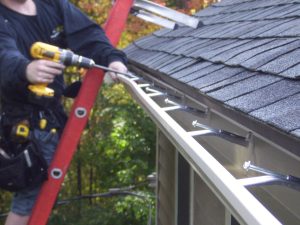
Once the gutters are taken down, one of the first steps is to take a good look at the roofline. Gutters usually get fastened to the fascia, which is that horizontal board running along the edge of your roof.
Since the gutters can hide parts of the fascia, homeowners often can’t assess the state of these areas until the gutters are removed.
Once the old gutter system is out of the way, your contractor can look for signs of:
- Wood rot
- Cracking or splitting
- Water stains
- Soft or deteriorated wood
- Mold or mildew
- Loose boards
- Previous repair work
- Damage around gutter attachment points
This inspection can help determine whether the existing fascia is strong enough to support a new gutter system.
Protect Your Home Today. Contact Us To Schedule a Free Estimate.
You May Discover Fascia Damage
Fascia damage is a pretty common issue that homeowners might face after taking down their old gutters. If water has been seeping in around the gutter or roofline for a while, the wood can start to break down over time.
Some signs of fascia trouble are easy to spot before you remove the gutters, but others might not show up until the gutters are actually taken off.
If you discover any damaged fascia, it’s important to either repair or replace it before putting up new gutters. Tackling this issue first will give you a solid surface for the new system to attach to.
Putting new gutters on top of rotting wood can lead to problems down the line, especially if the fasteners can’t get a good grip.
Old Gutter Fastener Holes May Be Visible
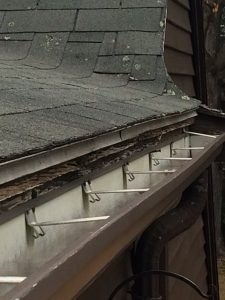
Once the gutters and downspouts are taken down, you might spot some holes, marks, or other signs where the old system used to be. Don’t worry, this is completely normal, especially if the previous gutter system had been hanging around for quite a while.
Depending on how the fascia looks and the plan for your new installation, these spots might need a little TLC—like repairs, sealing, or some other attention—before the new gutters go up.
Your contractor will be able to check out those attachment points and figure out the best way to get everything ready for the new setup.
Water Damage May Become More Noticeable
Old gutters can often conceal signs of water issues lurking around the roofline. Once you take them down, it’s much easier to spot things like stains, discoloration, or any signs of deterioration.
Water damage can happen for a variety of reasons: when gutters overflow, leak at the seams, pull away from the fascia, or get clogged with leaves and debris. Plus, downspouts can add to the drainage headaches if they’re damaged, disconnected, or not directing water far enough away from your home.
But don’t worry if you uncover these issues during a gutter replacement. Instead of panicking, think of it as a chance to tackle potential problems before they escalate into something bigger.
Your Contractor May Recommend Fascia Repairs
If the inspection uncovers any damaged fascia, your contractor might suggest making some repairs before putting in the new gutters.
The right approach really depends on how bad the damage is. If it’s just a little wear and tear, a simple fix might do the trick. But if the damage is more serious, you might need to replace a bigger section.
The main goal here is to ensure a solid, long-lasting surface for the new gutter system. Before you agree to any extra work, it’s a good idea for homeowners to ask what was discovered, where the damage is, and why the suggested repair is important. A trustworthy contractor should be able to break it down for you and help you understand your choices.
Contact Us For a Free Estimate
The Roof Edge May Need Preparation
Once the old gutters are taken down and any necessary repairs are made, it’s time to get the roof edge ready for the new gutter installation.
This preparation might involve checking the fascia, assessing the roofline, clearing away any leftover debris, and ensuring that the area where the new system will go is in good shape.
Depending on the property, there might be other elements that need some attention too. For instance, the areas around the roof edge, flashing, drip edge, or other drainage components should be inspected to ensure that water can flow away from the home effectively.
Taking the time to prepare properly is crucial for a successful and dependable gutter installation.
The Area Around Your Home Will Be Cleaned Up
When you remove gutters, it often leaves behind bits of old materials like brackets, screws, leaves, and other debris.
A reputable gutter company should take care of cleaning up the area after they’ve taken out the old system. This means gathering up the removed gutter sections and downspouts, as well as tidying up any loose debris around the foundation, landscaping, driveway, or walkways.
It’s crucial to keep the work area tidy, especially when the gutter replacement is happening close to gardens, landscaping beds, patios, and other spaces that homeowners frequently use.
You May Need To Address Drainage Problems

Taking out your old downspouts gives you a great chance to reassess how water is being channeled away from your home.
Downspouts are crucial for guiding rainwater from the gutters to a safe discharge area. If the water is let loose too near the foundation, it can lead to issues like soil erosion, water pooling, damp basements, or other drainage problems.
When homeowners are replacing their gutters, it’s a perfect time to chat with their contractor about where to place the downspouts and whether extensions are needed.
The aim is to set up a drainage system that effectively directs roof runoff away from the more vulnerable spots on your property.
Want to see how this looks in real installations? See real results by viewing our Past Work.
New Gutters Can Then Be Installed
Once the roofline has been thoroughly inspected and any needed repairs or preparations are taken care of, it’s time to get your property set up for new gutters.
Your contractor will usually figure out the best spots for the gutters, the right pitch, where the downspouts should go, and how to attach everything based on your home’s design.
Getting the slope just right is crucial because gutters need to channel water toward the downspouts instead of letting it pool in the gutter itself.
Additionally, the new gutter system should be the right size for the roof areas it will serve and installed securely along the roofline.
What If You Are Not Installing New Gutters Right Away?
Some homeowners choose to take down their old gutters before figuring out what to put up next. If your replacement project is taking a bit longer than expected, it’s crucial to remember that your roofline will be left without its usual rainwater collection system for a while.
When gutters and downspouts aren’t working properly, rain can pour straight off the roof edge, potentially causing issues for your siding, landscaping, walkways, and even your foundation.
If there’s going to be a gap between the removal and the new installation, make sure to discuss with your contractor how they plan to manage the exposed roofline and any temporary drainage solutions.
How To Prepare For Gutter Removal
Homeowners can take a few easy steps to prepare before the project kicks off. Start by relocating any outdoor furniture, decorations, toys, tools, and other items from the work area.
And if you have any landscaping or delicate plants close to the gutters, be sure to inform your contractor before the work starts.
It can also be helpful to discuss the project beforehand and ask:
- Will the fascia be inspected after removal?
- What happens if wood damage is discovered?
- Will old fastener holes be addressed?
- How will removed materials be disposed of?
- Where will the new downspouts discharge water?
- Will the work area be cleaned after removal?
- How quickly will replacement gutters be installed?
Knowing what to expect can make the process easier and help prevent surprises.
Trust Alo Seamless Gutters With Your Gutter Replacement
Alo Seamless Gutters is here to assist homeowners in assessing their current gutter system and getting the roofline ready for a replacement. We’ll pinpoint any issues with the fascia, attachment points, drainage, and other essential components. Whether you’re looking for new gutter installation, a replacement, downspout installation, or any related roofline work, our team is ready to help you figure out exactly what your home needs for a dependable drainage system
Contact Us For a Free Estimate