
Putting in new gutters is a smart way to safeguard your home from rainwater, but before you dive into the installation, it’s crucial to check the fascia—the boards that run along the bottom edge of your roof. The fascia plays a key role in supporting many gutter systems, so if it’s rotting, cracked, loose, or showing any signs of wear, skipping this step could lead to bigger issues down the line. Sometimes, a simple repair will do the trick, but if the damage is more severe, you might need to replace the fascia altogether to ensure a solid and dependable base for your new gutters.
What You’ll Learn
- Why fascia condition matters before new gutter installation
- Common signs that your fascia may need repair or replacement
- How damaged fascia can affect a new gutter system
- When fascia repair may be enough
- When complete fascia replacement may be the better option
- How professional inspection can help identify problems before installation
5 Signs You Need Fascia Replacement Before Installing New Gutters
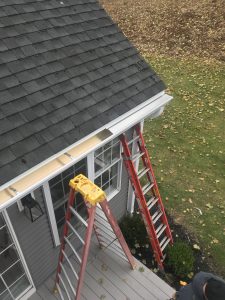
Here are five signs that your fascia may need replacement before installing new gutters.
1. Your Fascia Has Visible Wood Rot
One of the most obvious indicators that your fascia might need replacing is when you spot visible wood rot. Since fascia is constantly exposed to the elements—like rain, snow, humidity, and fluctuating temperatures—it can wear down and deteriorate over time.
Look for Discoloration and Deterioration
Rot does not always look dramatic from the ground. You may notice:
- Darkened or discolored areas
- Peeling or bubbling paint
- Cracks or splits in the wood
- Swollen or deteriorated sections
- Areas that look noticeably different from surrounding fascia
If you notice that the fascia around your gutters is looking a bit worse for wear, it’s a good idea to have it checked out before you go ahead and install a new system.
Soft Wood Can Signal a Bigger Issue
Another red flag to watch for is wood that feels soft or spongy when a professional gives it a gentle poke. Healthy wood should feel pretty solid. If you find any soft spots, it could mean that moisture has seeped in and caused some damage.
Replacing badly rotted fascia can create a more secure base for your new gutters.
Why You Should Tackle Rot First
Putting new gutters on top of severely damaged wood won’t fix the root of the problem. In fact, it could complicate future repairs since you might have to take down the new gutter system just to get to the damaged area.
By addressing any fascia issues before installation, homeowners can ensure they’re starting with a well-prepared roofline.
Contact Us For a Free Estimate
2. Your Fascia Boards Are Cracked or Splitting
Cracks and splits in your fascia can be a sign that it’s not in the best shape anymore. As exterior wood ages, it tends to develop cracks due to the constant expansion and contraction from temperature and moisture changes.
Don’t Overlook Small Cracks
Just because you see a crack doesn’t mean you need to replace the entire fascia. However, if you notice widespread cracking or areas where the wood is pulling apart, it’s wise to have them checked out before putting in new gutters.
A professional can assess whether the damage is minor enough to fix or if a full replacement would be the smarter choice for the long haul.
Damaged Fascia Can Impact Gutter Installation
The fascia plays a crucial role in the roofline, serving as the anchor point for gutter components. If the wood underneath is cracked or compromised, it won’t provide the sturdy surface needed for a well-installed gutter system.
Taking the time to replace any severely damaged sections before installation can set a solid foundation for your new gutters.
3. The Fascia Is Loose, Sagging, or Pulling Away
Your fascia should typically stay firmly in place along the roofline. If you spot any sections that look loose, uneven, sagging, or detached from the structure, it’s a good idea to take a closer look.
Check for Gaps Along the Roofline
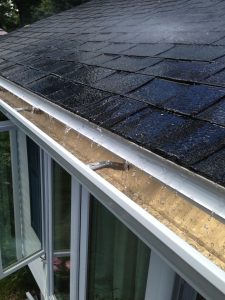
If you see any visible gaps between the fascia and other parts of the roofline, it might mean that some boards have come loose. These gaps can also let moisture seep into areas that should stay dry and protected.
Loose fascia may result from:
- Age and normal deterioration
- Repeated moisture exposure
- Rot or wood decay
- Damaged fasteners
- Previous installation problems
When it comes to installing a gutter system, having a smooth fascia is key. The gutters need to align perfectly with the roofline and have the right slope so that rainwater flows easily toward the downspouts. If the fascia is really uneven or damaged, it can complicate this whole process.
Taking the time to repair or replace any affected wood before putting in new gutters can provide a much more stable surface for the installer to work on.
Get Loose Sections Checked by a Pro
As a homeowner, it’s easy to think that a loose board just needs to be nailed back into place. But if moisture or rot is the culprit, simply securing it might not fix the deeper issues at play.
Having a professional inspection can help you figure out whether the fascia can be repaired or if it’s time for a replacement.
Protect Your Gutters Today. Contact Us To Schedule a Free Estimate.
4. You See Water Damage Around the Roofline
Keep an eye out for water damage—it’s a key warning sign that you shouldn’t ignore before deciding to replace your gutters. The fascia, which runs right along the roofline, can easily get drenched if your gutters overflow, leak, or aren’t installed correctly.
Look for Stains and Peeling Paint
Water-related fascia damage may appear as:
- Staining or dark discoloration
- Peeling or damaged paint
- Swollen wood
- Cracking
- Soft or deteriorated areas
- Mold or mildew-like growth
If you notice these signs, it’s a good indication that moisture has been affecting the wood for quite a while. Before you go ahead and install new gutters, it’s crucial to figure out where that moisture is coming from.
Damaged Gutters Could Be a Factor
Older gutters often develop issues like leaks, loose connections, sagging sections, or drainage problems. When rainwater isn’t directed properly, it can end up reaching the fascia, leading to further deterioration.
While replacing the gutters might help solve the water management issue, you may still need to repair or replace the damaged fascia first.
Pinpoint the Source of the Moisture
If you replace the fascia without tackling the root cause of the ongoing water exposure, you might find yourself facing the same problem again. Depending on your specific situation, you might need to take a closer look at the following areas:
- Existing gutters and downspouts
- Roof edges
- Flashing
- Fascia and soffits
- Areas where water may be pooling or overflowing
The goal is to correct the problem rather than simply cover up its visible effects.
5. Your Existing Gutters Are Pulling Away From the Fascia
If your current gutters are drooping or separating from the roofline, it’s a good idea to check the condition of the fascia before putting in new gutters.
Sagging Gutters Can Be a Warning Sign
Gutters can pull away because of several factors, including:
- Accumulated leaves and debris
- Excessive water weight
- Damaged or missing fasteners
- Improper installation
- Deteriorated fascia
- Long-term exposure to weather
If the fascia behind your gutter has become weak or rotted, just swapping out the gutters might not fix the issue entirely.
Check the Attachment Area
Once the old gutters are taken down, you can take a closer look at the fascia underneath. This inspection might uncover damage that was previously hidden by the gutter system. If the wood is in really bad shape, replacing it before putting up new gutters will give you a sturdier surface for attachment.
Don’t Install New Gutters on Weak Wood
New gutters are a big investment for your home, and naturally, you want them to perform well for many years. If you attach a new system to severely damaged fascia, it could compromise that goal.
By addressing the fascia first, you can ensure that the new gutter installation starts off on a solid foundation.
When Does Fascia Need Repair Instead of Replacement?
Not every issue with fascia means you need to replace the whole thing. The right fix really depends on how bad the damage is and where it’s located.
Minor Damage Might Be Fixable
If you’re dealing with just a few small cracks, a couple of damaged spots, or isolated issues, there’s a good chance a professional can repair them. This can be a smart choice, especially if the surrounding wood is still in good shape.
Severe Damage May Require Replacement
Replacement may be more appropriate when the fascia has:
- Extensive wood rot
- Significant splitting or cracking
- Widespread deterioration
- Loose or unstable sections
- Damage that compromises the gutter attachment area
A professional assessment can help determine which approach makes sense for your home.
Why Fascia Condition Matters Before New Gutter Installation
A new gutter system is only as good as the conditions it’s installed in. While gutters are built to gather and channel rainwater, they also need to be firmly attached to your home.
Having healthy fascia gives you a solid base for installation, but if the wood is damaged, it can lead to extra complications.
Spending some time to check and fix the roofline before putting in new gutters can also help homeowners spot other issues that might otherwise go unnoticed.
Prepare Your Home for New Gutters With Alo Seamless Gutters
Alo Seamless Gutters is here to assist homeowners in getting ready for a new gutter installation. We start by assessing the roofline and pinpointing any issues around where the gutters will attach. If the fascia shows signs of rot, cracks, water damage, or any other wear and tear, it’s crucial to tackle those problems first. This way, we can ensure a solid foundation for your new gutter system. Whether you’re looking for new gutters, fascia repairs, or other roofline solutions, our team is ready to help you figure out exactly what your home needs for a secure and effective installation.