
Having proper drainage is crucial for safeguarding your home against water damage, keeping your foundation strong, and ensuring your landscaping stays healthy. While gutters often steal the spotlight, it’s the downspouts that do the heavy lifting by directing rainwater safely away from your property. If downspouts aren’t installed correctly, even the most efficient gutter system can struggle to keep water from pooling around your home. When heavy rain hits, drainage issues can arise quickly if water is allowed to gather near the foundation or flow unchecked across your yard. Over time, this can lead to serious problems like structural damage, leaks in the basement, soil erosion, and expensive repairs. By understanding how proper downspout installation enhances home drainage, homeowners can make smart choices that not only protect their property but also boost its long-term value.
In this guide, you’ll learn:
- How downspouts improve overall home drainage
- Common drainage problems caused by poor water runoff
- The relationship between downspouts and foundation protection
- Ways proper drainage helps prevent landscape erosion
- Signs your home may need new downspouts
Why Proper Home Drainage Matters
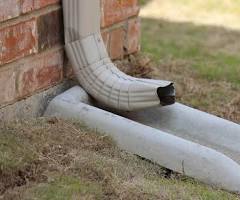
Every home faces a fair share of water exposure throughout the year. When storms hit, rainwater cascades off the roof and needs to be directed away from the house effectively. If this water isn’t managed well, it can lead to some serious issues that impact both the look and the structural soundness of the home. When drainage is inadequate, water can pool around the foundation, raising the chances of cracks and settling.
Plus, excess moisture can find its way into basements and crawl spaces, creating a perfect environment for mold to thrive and compromising indoor air quality. On top of that, standing water can wreak havoc on landscaping, kill off plants, and contribute to soil erosion. That’s where proper drainage systems come into play, designed to whisk water away from those vulnerable spots before it can do any harm.
Downspouts are essential in this process, guiding water from the gutters to specific discharge points far from the house. By managing rainwater effectively, homeowners can cut down on maintenance costs and steer clear of many common water-related headaches.
What Is a Downspout and How Does It Work?
A downspout is essentially a vertical pipe that connects to your gutter system, helping to channel rainwater from your roof down to the ground. Once the rainwater is collected by the gutters, it flows toward strategically placed downspouts that safely direct it away from your home.
Most residential downspouts are crafted from materials like aluminum, galvanized steel, vinyl, or copper. They come in a variety of sizes and styles, allowing them to complement different gutter systems and architectural designs.
The whole process is pretty straightforward. Rainwater hits the roof and makes its way into the gutters, which are designed with a slight slope to guide the water toward the downspouts. When the water reaches the downspout, gravity takes over, pulling it down and away from the house, often through extensions, splash blocks, or even underground drainage systems.
Without downspouts, gutters would overflow during heavy rain, causing water to pour directly onto the ground around your home. Proper installation is key to ensuring that water follows a controlled path, preventing it from pooling in areas that could lead to damage.
Common Drainage Problems Caused by Missing or Damaged Downspouts

When downspouts are missing, damaged, or just not working right, they can lead to a whole host of drainage problems that affect not only your home but also the land around it. A lot of homeowners don’t fully appreciate the role these little components play until they start noticing water-related issues cropping up.
One of the most frequent problems is water pooling around the foundation. If downspouts aren’t doing their job of directing water away from the house, you can end up with a lot of runoff gathering near the foundation walls. This buildup can raise hydrostatic pressure and, over time, may lead to cracks or even structural movement.
Other common drainage problems include:
- Basement leaks and flooding
- Soil erosion near the home’s perimeter
- Landscape damage
- Mold and mildew growth
- Gutter overflow
- Exterior staining
- Wood rot around siding and trim
If your downspouts are damaged, they might start leaking at the joints or seams, which means water could be escaping before it gets to where it’s supposed to go. By keeping up with regular inspections, you can catch these problems early and save yourself from more expensive repairs down the line.
Contact Us To Schedule a Free Estimate.
How Downspout Installation Improves Home Drainage
How Downspouts Protect Your Home’s Foundation
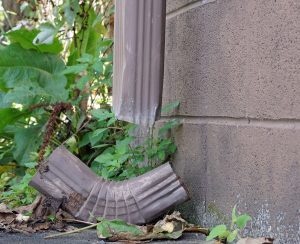
Your home’s foundation is like the backbone of the entire structure, so keeping it safe should be a top priority. One of the biggest threats to its stability is water, especially when it starts to pool around the base of your home.
When the soil gets soaked, it expands and puts pressure on the foundation walls. Then, as the soil dries out, it shrinks back down. This constant cycle of expanding and contracting can lead to cracks, settling, and even structural movement over time.
That’s where properly installed downspouts come into play. They help by directing water several feet away from your foundation, which reduces soil saturation and keeps moisture from making direct contact with those crucial walls.
In regions that see a lot of rain or have expansive clay soils, managing water effectively becomes even more critical. Downspouts work in tandem with grading and drainage systems to create more stable soil conditions and lessen the stress on your foundation.
By keeping water at bay from these essential structural elements, homeowners can significantly reduce the risk of foundation damage and help their property last longer.
Want to see how this looks in real installations? See real results by viewing our Past Work.
Preventing Basement Flooding with Proper Downspout Installation
Basement flooding is a real headache for homeowners, especially when heavy rains hit. Even just a little water can wreak havoc on your flooring, drywall, furniture, and anything else you’ve got stored down there, not to mention it can create a perfect breeding ground for mold.
One of the main culprits behind basement leaks is the buildup of water around the foundation. When the soil gets too saturated, it creates hydrostatic pressure that pushes water through cracks, joints, and even porous concrete.
Installing downspouts correctly can help minimize this risk by directing rainwater away from your home’s foundation, giving it less chance to sneak into your basement.
Effective downspout systems can:
- Reduce hydrostatic pressure
- Minimize soil saturation
- Prevent standing water near basement walls
- Lower the risk of foundation seepage
- Protect finished basement spaces
Many drainage professionals recommend extending downspout discharge points at least four to six feet away from the foundation. In some situations, underground drainage systems may be installed to provide even greater protection.
Combined with proper grading and waterproofing measures, downspouts are an important defense against basement moisture problems.
How Downspouts Help Reduce Soil Erosion Around Your Property
When rainwater cascades off a roof or spills over from gutters, it can mess with the soil around your home. This uncontrolled runoff can wash away precious topsoil and lead to uneven drainage, which isn’t great for your yard.
Soil erosion doesn’t just make your property look less appealing; it can also jeopardize your landscaping and leave your foundation vulnerable to excess moisture.
That’s where well-placed downspouts come into play. They help manage erosion by directing water to specific drainage spots and softening the impact of heavy runoff. Instead of letting water plummet straight to the ground near your house, downspouts channel it away to safer areas.
Benefits of erosion control include:
- Preserving landscaping investments
- Maintaining healthy plant growth
- Preventing washouts
- Protecting mulch and flower beds
- Improving overall drainage efficiency
If you own a home on a sloped property, you might find that smart downspout placement can make a difference. When runoff isn’t managed properly, it can carve out channels and gullies that become tougher and tougher to fix over time.
The Connection Between Gutters and Downspouts
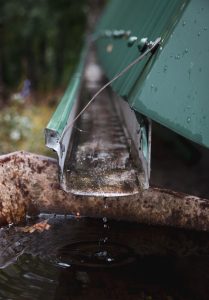
Gutters and downspouts are like the dynamic duo of your drainage system. Gutters catch the rainwater pouring off your roof, while downspouts act as the trusty route to carry that water far away from your home. Since they work hand in hand, any issues with one can really throw a wrench in the whole operation.
To ensure everything flows smoothly, a well-designed gutter system needs to have enough downspouts placed in just the right spots to manage the amount of water you expect.
Several factors influence system performance, including:
- Roof size
- Roof slope
- Local rainfall patterns
- Gutter capacity
- Downspout size
- Downspout placement
When there aren’t enough downspouts, gutters can overflow during heavy rainstorms. Similarly, if downspouts are clogged or damaged, water can back up and spill over the edges of the gutters. That’s why professional installers take these elements into account when designing drainage systems, making sure everything flows smoothly and keeps your property protected.
Contact Us To Schedule a Free Estimate.
Choosing the Right Downspout Placement for Maximum Water Control
The success of a downspout system really hinges on where it’s placed. Even the best materials won’t make up for a bad setup that lets water pool in risky spots. When figuring out where to put downspouts, professional installers take a close look at a few key factors.
They consider the roof design, how the landscape is graded, the layout of the foundation, and any existing drainage systems in place.
Strategic placement helps ensure that water:
- Flows efficiently through the gutter system
- Discharges away from the foundation
- Avoids walkways and high-traffic areas
- Does not damage landscaping
- Reaches designated drainage zones
In certain cases, it might be a good idea to add extra features like downspout extensions, splash blocks, or even underground drainage pipes to enhance how water is managed.
Taking the time to plan things out during installation can really boost drainage efficiency and help keep pesky water problems at bay around your home.
Signs It’s Time to Replace or Upgrade Your Downspouts
Just like any part of your home’s exterior, downspouts can take a beating from the elements, collect debris, and suffer from physical damage. As time goes on, older systems might struggle to handle water as effectively.
It’s a good idea for homeowners to check their downspouts regularly and keep an eye out for any signs that it might be time for a replacement or an upgrade.
Common warning signs include:
- Visible cracks or holes
- Rust and corrosion
- Loose fasteners
- Frequent clogs
- Water leaks at joints
- Pooling water near the foundation
- Overflow during storms
Contact Us To Schedule a Free Estimate.
Professional Downspout Installation vs. DIY: What Homeowners Should Know
Many homeowners opt to tackle downspout installations on their own, especially when they’re swapping out old parts. While it might seem like a simple task, getting the drainage just right often calls for a pro’s touch. Installing downspouts isn’t just about connecting a pipe to a gutter.
It requires a careful look at how water flows, figuring out the right sizes, choosing the best spots for discharge, and making sure everything is tightly secured.
Professional installation offers several advantages:
- Accurate system design
- Proper sizing and placement
- Improved water management
- Reduced risk of future drainage issues
- Compliance with local building requirements
- Long-term reliability
Taking on DIY installations can sometimes backfire, especially if water is directed too near the foundation or if the components aren’t lined up just right. Even small errors can compromise drainage efficiency and lead to expensive problems down the line.
By teaming up with Alo Seamless Gutter’s skilled professionals, you can make sure that your downspouts work properly and offer the best protection for your home.
How Alo’s Downsprout Experts Can Help
Having downspouts installed correctly is crucial for safeguarding your home against water damage, foundation problems, and erosion in your landscape. At Alo Seamless Gutters, we specialize in professional downspout installation and drainage solutions that are customized to fit the specific needs of your property.
Our skilled team assesses your gutter system, suggests effective strategies for managing water, and makes sure that rainwater is channeled safely away from your home, helping to preserve its structural integrity for the long haul.