
Your gutter system might not be the first thing that catches your eye when you look at your home, but it’s absolutely essential for safeguarding both your house and the surrounding landscape. When it rains, your roof can channel thousands of gallons of water, and if your gutters aren’t working properly, that water can wreak havoc on your foundation, siding, flower beds, walkways, and lawn.
Many homeowners tend to overlook their gutters until they get clogged or start overflowing. But remember, gutters are your first line of defense against water damage. They collect rainwater and guide it away from the most vulnerable parts of your property, helping to maintain the stability, appearance, and overall value of your home.
In this guide, we’ll dive into how gutters protect your foundation, prevent damage to your landscape, and contribute to the long-term health of your property.
In this guide, you’ll learn:
- How gutters help protect your home’s foundation from water damage
- Why proper drainage is essential for preventing soil erosion and landscape damage
- The role gutters play in preventing basement moisture and flooding issues
- How uncontrolled rainwater runoff can impact your property’s structure
- Best practices for maintaining gutters to improve long-term performance
How Gutters Protect Your Home’s Foundation and Landscaping
When rain pours down on a roof, gravity takes charge, guiding the water right to the edges. If there are no gutters in place, that water just spills over the roofline and lands around the base of your home.
A well-designed gutter system is key; it catches that runoff and directs it toward downspouts that are strategically positioned. These downspouts then carry the water away from your house, which helps minimize the chances of moisture-related issues.
But the perks of having gutters go way beyond just keeping water off your siding. Good water management is essential for protecting your foundation, maintaining your landscaping, preventing erosion, and cutting down on maintenance costs. By controlling the path of rainwater, gutters play a vital role in preserving both the structural and visual appeal of your property.
Understanding How Rainwater Affects Your Property
Water might appear innocent, but if left unchecked, runoff can seriously affect residential properties over time. The damage often creeps in slowly, making it easy to miss until it becomes a major issue. Just one inch of rain can generate hundreds of gallons of runoff from a typical roof. When that water consistently drains in the same spots, it starts to change the landscape around it.
Here are some possible consequences of unmanaged runoff:
- Foundation settlement
- Soil erosion
- Basement moisture
- Landscape damage
- Mulch displacement
- Walkway deterioration
- Mold growth
- Exterior staining
Protect Your Foundation. Contact Us To Schedule a Free Estimate.
Preventing Water Accumulation Around the Foundation
One of the main reasons we have gutter systems is to keep water from gathering around the foundation of our homes. When there’s too much moisture near the base, it can lead to a host of structural problems.
As water builds up, it seeps into the soil surrounding the foundation. This added moisture increases the pressure on the foundation walls, which can eventually cause them to crack or shift. In certain areas, the problem is even worse due to expansive clay soils that swell when they’re wet and shrink when they dry out.
These constant cycles of expanding and contracting put a lot of strain on the foundation, which can result in:
- Cracks in walls
- Uneven floors
- Sticking doors and windows
- Foundation settlement
- Structural instability
Gutters play a crucial role in keeping water away from the edges of your home, which helps to maintain steady moisture levels in the soil and eases the pressure on your foundation.
Reducing the Risk of Foundation Cracks

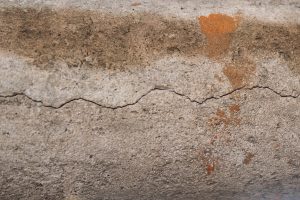
Foundation cracks can pop up for a variety of reasons, but one of the biggest culprits is often excessive moisture. When water gathers around the foundation, it ramps up hydrostatic pressure against the walls that are below ground level.
As time goes on, this pressure can lead to the formation of small cracks. Once those cracks show up, they create openings for more water to seep in, making the situation even worse.
Even the tiniest foundation cracks deserve your attention because they can lead to:
- Water intrusion
- Mold growth
- Structural deterioration
- Increased repair costs
- Reduced property value
A properly cared-for gutter system is key to lowering these risks by directing water away from sensitive foundation spots. Although gutters can’t promise that cracks will never happen, they are crucial in reducing one of the main factors that lead to them.
Want to see how this looks in real installations? See real results by viewing our Past Work.
Protecting Basements and Crawl Spaces from Moisture
Basements and crawl spaces are especially prone to water issues since they sit below ground level. When the soil around your home gets soaked, moisture tends to find its way into these areas.
Common signs of moisture intrusion include:
- Damp walls
- Musty odors
- Mold growth
- Standing water
- Efflorescence on concrete surfaces
- Increased indoor humidity
Gutters play a crucial role in preventing various issues by controlling how much water gets to the foundation. When downspouts are working properly, they direct runoff away from basement walls, which helps lower hydrostatic pressure and minimizes the chances of water seeping in.
This is particularly vital for homeowners with finished basements, as water damage can wreak havoc on flooring, drywall, furniture, and cherished personal items.
Preserving Soil Stability Around the Home
Healthy soil is crucial for providing solid support for structures and ensuring a thriving landscape. When there’s too much water, it can throw off the soil’s composition and diminish its strength to hold up both buildings and plants.
If runoff keeps soaking the same spots, it can wash away those fine soil particles and change how water drains. This can result in uneven settling, exposed roots, and unstable ground conditions.
Effective water management is key to keeping soil moisture levels in check and maintaining the landscape’s integrity. By channeling water to specific drainage areas, gutters can help avoid localized oversaturation that might jeopardize soil stability.
Keeping soil conditions stable not only promotes healthier plant growth but also minimizes the chances of expensive landscape repairs down the line.
Preventing Soil Erosion and Landscape Damage
One of the most noticeable effects of roof runoff that isn’t properly managed is soil erosion. When rainwater pours directly off the roof, it hits the ground with a lot of force, slowly wearing away the soil and leading to uneven surfaces.
Erosion can damage:
- Flower beds
- Garden areas
- Mulch installations
- Decorative stone features
- Lawn surfaces
- Tree root systems
As time goes by, erosion can carve out trenches, gullies, and bare spots that really take away from the overall look of the property.
Protecting Plants, Trees, and Garden Beds
Landscaping is a big investment for a lot of homeowners. But here’s the catch: too much water can harm your plants just as much as not enough.
When water runoff gathers in specific spots, it can:
- Wash away mulch
- Expose plant roots
- Damage flowers and shrubs
- Compact soil
- Increase disease risk
Young plants and tender garden beds can really take a hit from the sheer force of uncontrolled roof runoff.
That’s where a well-designed gutter system comes into play. It helps channel water more efficiently, keeping localized flooding at bay and safeguarding those precious landscape features. This means plants get a more consistent supply of moisture, which in turn fosters healthier growth all around the property.
For homeowners who put time and effort into their landscaping, investing in proper drainage protection can significantly enhance the longevity and beauty of their outdoor spaces.
Contact Us To Schedule a Free Estimate.
Preserving Walkways, Patios, and Hardscapes
Water impacts more than just soil and plants. Hardscape elements like walkways, patios, retaining walls, and driveways can also take a hit when they’re subjected to too much runoff.
Repeated water exposure can contribute to:
- Surface cracking
- Settling and shifting
- Paver displacement
- Concrete deterioration
- Ice formation during winter
Improving Overall Drainage Across Your Property
A home’s drainage system really shines when all its parts work in harmony. From gutters and downspouts to grading, drainage pipes, and landscaping features, each element plays a crucial role in keeping water in check.
Gutters are where it all begins, gathering runoff before it has a chance to create issues. When paired with well-placed downspouts and thoughtful site grading, they help create a smooth and controlled drainage path across the property.
Benefits of improved drainage include:
- Reduced standing water
- Healthier lawns
- Lower risk of erosion
- Better foundation protection
- Improved landscape performance
- Fewer maintenance issues
A well-thought-out drainage strategy makes sure that water is efficiently redirected away from at-risk areas and channeled to spots where it can safely disperse.
The Importance of Routine Gutter Maintenance
No matter how great your gutter system is, it won’t work its magic without some regular TLC. Over time, leaves, twigs, dirt, and all sorts of debris can pile up, blocking the water flow and leading to overflow issues.
Clogged gutters may lead to:
- Water spilling over gutter edges
- Foundation moisture problems
- Landscape erosion
- Fascia damage
- Pest infestations
Homeowners really need to keep an eye on their gutters and give them a good clean every now and then, especially in the fall and right after any big storms.
Key maintenance tasks include:
- Removing debris
- Checking for leaks
- Inspecting downspouts
- Tightening fasteners
- Ensuring proper water flow
Signs Your Gutter System May Need Attention
Keeping an eye out for early warning signs can really save you from bigger headaches down the line. Homeowners should regularly check their gutters for any signs that they might need some repairs or upgrades.
Common warning signs include:
- Sagging gutters
- Rust or corrosion
- Visible cracks
- Overflow during rainfall
- Water pooling near the foundation
- Detached sections
- Erosion beneath roof edges
How Alo’s Downspout Experts Can Help
Getting your downspouts installed the right way is essential for protecting your home from water damage, foundation issues, and erosion. At Alo Seamless Gutters, we provide customized drainage solutions that improve water flow and safeguard your property. Our skilled team is committed to making sure your downspouts are positioned and installed perfectly, helping to keep your foundation and landscaping safe.