
Taking care of proper water drainage is crucial for safeguarding your home, yet it often gets ignored until problems arise. When gutters don’t do their job, rainwater can trickle down your walls, gradually causing damage to your roof, siding, foundation, and landscaping.
Over time, this can lead to costly repairs that could have been easily avoided with the right setup. Seamless gutter installation has gained popularity among homeowners looking for better protection and less hassle.
Unlike traditional gutters that are made up of several connected pieces, seamless gutters are custom-made right on-site to perfectly fit your home. This design minimizes weak spots where leaks and clogs typically occur, allowing the system to manage heavy rain much more efficiently.
This guide explains what seamless gutters are, how they work, and why many homeowners choose them over traditional systems.
Here’s what you’ll learn in this guide:
- How seamless gutters work
- Benefits of seamless gutter systems
- Best materials and gutter sizes
- Common installation mistakes to avoid
- Dangers of DIY installation work
- Simple gutter maintenance tips explained
Seamless Gutter Installation: What Homeowners Need to Know

What Is Seamless Gutter Installation?
Seamless gutter installation is all about creating a system where gutters are made from one continuous piece of material for each section of your home.
Instead of piecing together pre-cut sections during installation, professionals use a specialized machine to craft long, custom-fit gutters right on your property. This means the gutters can perfectly match your home’s measurements, eliminating unnecessary joints or weak spots.
With fewer connections, seamless gutters are much less prone to leaks or clogs compared to traditional systems. Each run of gutter is designed to channel water efficiently toward downspouts without any interruptions.
This is especially beneficial during heavy rain, when overflow can become a real concern. Plus, homeowners love the sleek appearance, as seamless gutters create a smooth, uninterrupted line along the roof.
Key points:
- One continuous piece per roof section
- Custom-made at your home for exact fit
- Fewer seams and weak points
- Installed by trained professionals
- Designed for long-term water control
With fewer connections, there is less chance for leaks, sagging, or clogging.
How Seamless Gutters Differ From Traditional Gutters
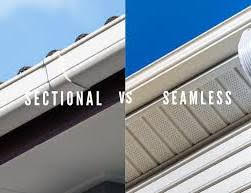
The main distinction between seamless and traditional gutters lies in their construction and connection methods. Traditional gutters are made in shorter sections that need to be joined together during installation.
Each joint is sealed, but over time, these seals can deteriorate due to weather, temperature fluctuations, and regular wear and tear. When that happens, leaks and clogs can become more frequent.
Seamless gutters tackle this issue by minimizing the number of joints as much as possible. Instead of having multiple sections, each side of the home is fitted with one continuous piece.
This significantly enhances water flow and lowers the risk of failure points. Homeowners often find that seamless systems perform better during storms because water flows more freely without getting stuck at connection points.
They also tend to have a longer lifespan since there are fewer areas that can wear out over time.
Seamless gutters remove most of those weak points.
Main differences:
- Traditional gutters have many seams
- Seamless gutters have very few joints
- Sectional systems are more likely to leak
- Seamless systems are custom-formed on-site
Why this matters:
- Better performance in heavy rain
- Less chance of leaks
- Cleaner appearance
- Fewer long-term repairs
For many homeowners, the biggest difference is reliability during storms.
See real results by viewing our Past Work
Key Benefits of Seamless Gutter Systems
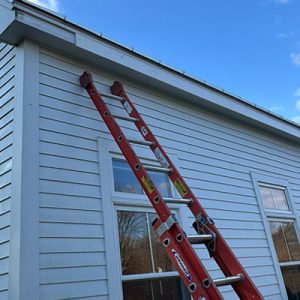
Seamless gutter systems come with a host of benefits that make them an excellent option for homeowners eager to safeguard their property.
One of the standout perks is their ability to significantly cut down on leaks. With fewer seams, there are fewer spots for water to escape or create damage, ensuring that rainwater is channeled exactly where it needs to go—away from your home.
Another key advantage is the reduced maintenance they require. Unlike traditional gutters, which often need regular repairs or resealing at the joints, seamless gutters tend to hold up better over time. Plus, they enhance your home’s curb appeal by providing a sleek, polished look along the roofline.
Beyond these benefits, seamless gutters also play a crucial role in protecting vital areas of your home, such as the foundation, siding, and landscaping, by efficiently directing water away from them.
They also improve the appearance of your home by creating a smooth, clean line along the roof.
Main benefits:
- Fewer leaks and weak points
- Lower maintenance needs
- Better water flow
- Improved curb appeal
- Longer lifespan than sectional gutters
They also help protect important areas like your foundation, siding, and roof edges by directing water away more efficiently.
Common Materials Used in Seamless Gutters
When it comes to seamless gutters, you have a few material options, each with its own set of perks that cater to your budget and local weather.
Aluminum is the go-to choice for many homeowners. It’s lightweight, budget-friendly, and resistant to rust, making it a solid pick for most climates.
Iit strikes a great balance between cost and durability. Then there’s steel, which is known for its impressive strength.
It’s particularly suited for regions that experience heavy snwfall or storms, but keep in mind that it might need some protective coatings to fend off rust over time.
On the higher end of the spectrum, we have copper gutters. They’re incredibly durable, can last for decades, and develop a beautiful patina that many people find appealing.
However, be prepared to pay a premium for this option. Ultimately, the best material for you will depend on your long-term plans, the weather in your area, and your budget.
Material overview:
- Aluminum: affordable, durable, rust-resistant
- Steel: strong, better for harsh climates
- Copper: long lifespan, premium appearance
Your choice depends on budget, weather conditions, and long-term plans for your home.
Contact Us To Schedule a Free Estimate
How the Seamless Gutter Installation Process Works
Installing seamless gutters is a tailored process that happens right at your home. It all starts with professionals taking precise measurements of your roofline to figure out the exact lengths needed for each section.
Once they have those measurements, they feed a roll of metal through a forming machine that shapes it into a continuous gutter.
After the gutters are formed, they’re cut to the right size and brought up to the roofline for installation. The installers use brackets to secure the gutters in place, ensuring they have a slight slope.
This slope is crucial because it directs water toward the downspouts instead of letting it pool in the middle.
Once everything is in place, the system is sealed at the corners and tested to ensure water flows smoothly. The end result is a drainage system that’s custom-fit just for your home.
First, installers measure your roofline carefully. Then, metal coils are run through a machine that shapes them into gutters. These are cut to exact lengths and installed along the roof.
Typical steps:
- Measure roof and layout
- Form gutters on-site
- Attach with brackets
- Set proper drainage slope
- Install downspouts
Everything is designed to move water efficiently away from your home.
Cost Factors for Seamless Gutter Installation
The cost of installing seamless gutters can vary quite a bit, and knowing what factors come into play can help homeowners budget better.
One of the main things to consider is the size of the house. Bigger homes need more materials and longer gutter runs, which naturally bumps up the total cost.
The choice of material is also crucial—aluminum is usually the most budget-friendly option, while copper tends to be on the pricier side. Another thing that can impact pricing is the roof’s design and complexity.
If a home has lots of corners, steep slopes, or tricky spots to reach, it will take more labor and time to install the gutters. Plus, the number of downspouts required will also affect the final price.
Although seamless gutters might cost a bit more upfront compared to traditional systems, many homeowners discover that the lower maintenance and longer lifespan make them a smarter investment in the long run.
Cost factors:
- Home size and roof length
- Material choice
- Roof height and complexity
- Number of corners and downspouts
- Labor time
Even though the initial cost is higher, reduced maintenance often balances the investment.
How to Know If Your Home Needs New Gutters

There are some clear signs that your gutters might need replacing. One of the most noticeable is when you see water overflowing during a rainstorm.
This usually indicates that the gutters are either clogged, damaged, or just not the right size for your roof anymore.
You should also keep an eye out for cracks, rust, and any visible sagging, as these are strong hints that your gutter system is on its last legs.
Other red flags include water pooling around your foundation, which can lead to some serious structural issues down the line. You might also spot peeling paint, stains on your siding, or even mold growing near the roofline.
These problems suggest that water isn’t being directed away from your home as it should be. When you notice several of these warning signs, it’s often more cost-effective to replace the entire system instead of making repeated repairs.
Warning signs:
- Cracks or rust spots
- Overflow during storms
- Gutters pulling away
- Pooling water near foundation
- Stains on siding
If several of these appear, replacement may be needed.
Call Us To Learn More About Our Gutter Installation Process
Choosing the Right Gutter Size and Style
Gutter size plays a crucial role in how much water your system can manage. Typically, most homes opt for 5-inch gutters, but if you have a larger roof or live in an area that experiences heavy rainfall, you might want to consider upgrading to 6-inch gutters.
Style is important too! K-style gutters are quite popular because they can hold more water and complement the look of modern homes. On the other hand, half-round gutters offer a more classic, traditional vibe.
Consider:
- Roof size and slope
- Local rainfall levels
- Nearby trees
- Home design
Proper sizing helps prevent overflow during storms.
Common Installation Mistakes to Avoid
Even the best materials can let you down if they’re not installed the right way. A common pitfall is having a poor slope, which can stop water from draining as it should.
If the brackets aren’t spaced correctly, you might find them sagging over time. Plus, if the downspouts aren’t placed well, you could end up with water pooling too close to your home.
Common mistakes:
- Wrong drainage slope
- Weak bracket support
- Poor downspout placement
- Undersized gutters
- Ignoring fascia damage
Correct installation is essential for long-term performance.
Dangers of DIY Seamless Gutter Installation
Installing seamless gutters on your own might sound like a great way to save some cash, but it actually comes with some serious risks.
The main problem is that seamless gutters need specialized equipment to create those long, continuous sections, and let’s be honest—most homeowners don’t have that kind of gear lying around. Working on ladders and rooftops also raises the chances of falls and injuries.
Even tiny mistakes in measuring can mess up the drainage, leading to water overflowing or pooling around your foundation.
If the installation isn’t done right, it can also cut the lifespan of your gutter system. If the gutters aren’t sloped properly or securely attached, they could sag, come loose, or even leak when the storms hit.
Main dangers include:
- High risk of injury from roof work
- Lack of proper forming equipment
- Incorrect measurements and poor fit
- Improper slope leading to drainage failure
- Higher long-term repair costs
In most cases, DIY installation ends up costing more to fix than hiring a professional from the start.
Maintenance Tips After Seamless Gutter Installation
Seamless gutters are low maintenance, but they still require some basic care. Giving them a good cleaning twice a year can help keep leaves and debris from piling up.
It’s also a good idea to check for clogs after storms. Make sure the downspouts are clear so that water can flow away from your home without any issues.
Maintenance steps:
- Clean twice per year
- Remove debris buildup
- Check for clogs after storms
- Inspect brackets and supports
- Ensure proper water flow
Gutter guards can also help reduce cleaning needs.
How Weather Impacts Gutter Performance and Lifespan
Weather has a significant impact on how effectively gutters function. When heavy rain hits, it can easily overwhelm smaller or clogged systems, causing overflow.
Snow and ice can add extra weight, putting stress on gutter brackets, and ice can completely block the flow of water.
Over time, heat can gradually weaken the materials. Plus, strong winds might loosen fasteners or push debris into the system.
Weather effects:
- Rain overload during storms
- Snow and ice weight stress
- Heat-related wear over time
- Wind and debris buildup
Choosing strong materials helps improve durability.
Hiring a Professional vs DIY Seamless Gutter Installation
Getting your gutters professionally installed means they’ll be measured, shaped, and put in place just right. The pros also know how to angle them properly for effective drainage.
On the other hand, trying to install them yourself can be quite a challenge since it often involves specialized tools and working at risky heights.
Professional benefits:
- Accurate custom fit
- Proper drainage setup
- Safer installation process
- Fewer long-term issues
Professionals are usually the better choice for long-term performance.
Choose Alo Seamless Gutters For Your Seamless Gutter & Downspout Installations
Alo Seamless Gutters specializes in creating custom-fit gutter and downspout solutions that not only protect your home but also enhance its curb appeal. Using high-quality materials and expert installation, we ensure your system can withstand heavy rain and stand the test of time.
Get a Free Quote

Frequently Asked Questions About Seamless Gutter Installation
What are seamless gutters?
Seamless gutters are a custom drainage system made from one continuous piece of material for each section of your roof. They are created on-site by a seamless gutter installation company to ensure a precise fit for your home. This design reduces joints, which helps prevent leaks and clogs and explains what is seamless gutter installation in simple terms.
How long do seamless gutters last?
Seamless gutters typically last 20 to 30 years depending on the material and maintenance. A professional seamless gutter installation service helps ensure proper installation, which can extend the lifespan of the system. Regular cleaning and inspections also help keep them working efficiently for many years.
Are seamless gutters worth it?
Yes, seamless gutters are often worth the investment because they reduce leaks and long-term maintenance. While the cost of seamless gutter installation is higher upfront, homeowners often save money over time through fewer repairs. Many people choose seamless gutter installation contractors to make sure the job is done correctly.
How much does seamless gutter installation cost?
The seamless gutter installation cost varies based on home size, material, and roof complexity. If you are wondering how much for seamless gutter installation, the answer depends on labor rates and design factors. It is best to compare quotes from several seamless gutter installation companies for accurate pricing.
Do seamless gutters leak?
Seamless gutters rarely leak because they have fewer joints than traditional systems. Most leaks only happen at corners or downspout connections instead of along the main sections. When installed by a trusted seamless gutter installation company, the risk of leaks is very low.
How long does installation take?
Most seamless gutter installations are completed in one day for average-sized homes. A seamless gutter installation service measures, forms, and installs the system on-site during that visit. Larger or more complex homes may take longer depending on roof layout.
Can seamless gutters be repaired?
Yes, seamless gutters can be repaired if they are damaged or clogged. Experienced seamless gutter installation contractors can fix issues like dents, loose brackets, or minor leaks without replacing the full system. Severe damage may require partial section replacement.
What sizes do seamless gutters come in?
The most common sizes are 5-inch and 6-inch gutters for residential homes. The cost of seamless gutter installation can increase with larger sizes because they require more material and labor. A professional installer will recommend the right size based on your roof and rainfall levels.
Do seamless gutters require maintenance?
Yes, seamless gutters still require regular maintenance even though they are lower maintenance than traditional systems. Homeowners should clean them at least twice a year and check for debris after storms. Many seamless gutter installation companies also offer gutter guards to reduce upkeep.
Can I install seamless gutters myself?
Seamless gutters are not recommended for DIY installation because they require special equipment to form continuous sections. Most homeowners hire seamless gutter installation contractors to ensure proper slope, fit, and drainage. Improper installation can lead to leaks, overflow, and foundation damage.