
When your gutters overflowing problem becomes noticeable during a rainstorm, it is easy to assume that leaves and debris are to blame. While clogged gutters are a common cause, they are not the only reason water spills over the edge. Poor drainage, improper slope, sagging sections, and a gutter system that cannot handle heavy rainfall can also contribute. Identifying the cause helps you determine whether routine maintenance will solve the problem or whether your gutters need professional attention.
In this guide, you’ll learn:
- The seven most common causes of gutters overflowing, from clogged gutters to improper slope and insufficient drainage capacity.
- What to check first when water spills over your gutters during rainfall.
- Why gutters can overflow even when they are clean and free of visible debris.
- How to improve gutter drainage and prevent recurring overflow problems.
- When to seek professional gutter repair and schedule an evaluation with ALO Gutters.
What Should You Check First When Your Gutter System Is Overflowing?
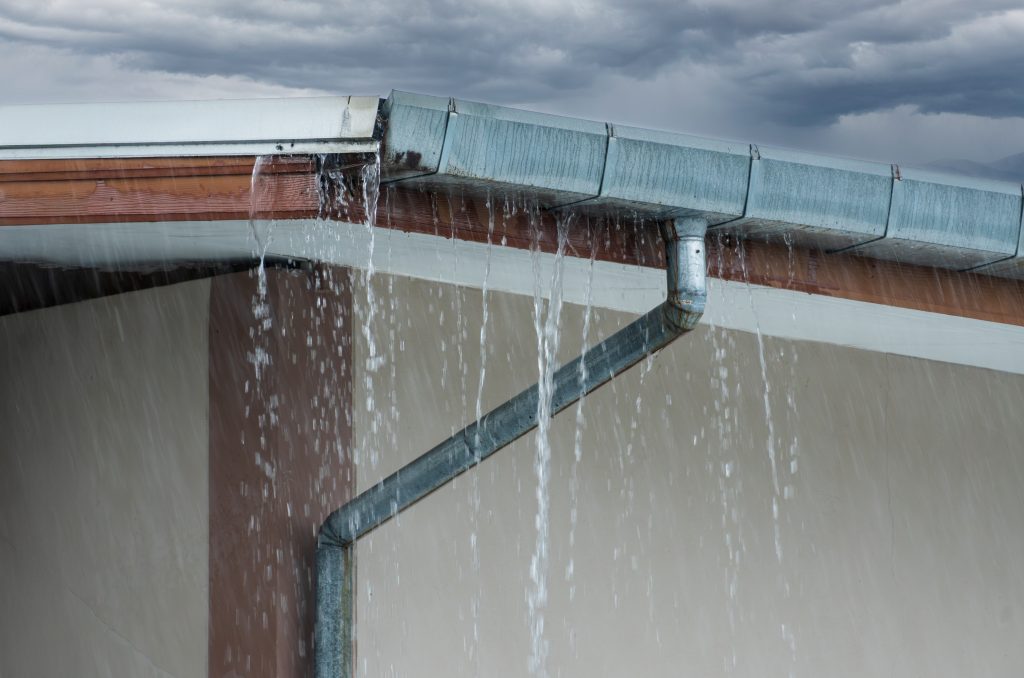
Start by observing where the water spills over and when the problem occurs. These details can help narrow down the cause before you decide what to do next.
For example, water overflowing along a long section of gutter may indicate restricted drainage or insufficient capacity. Overflow near a roof valley or corner may suggest that concentrated runoff is moving faster than the gutter can collect it. If water spills from one low point, a sagging section or incorrect slope could be responsible.
Also, pay attention to water running behind the gutter rather than over its front edge. This may indicate a positioning, flashing, or installation issue.
Once the weather clears, look for visible debris, uneven sections, loose fasteners, or other obvious signs of trouble from the ground. Avoid climbing a ladder or inspecting your roof during a storm. If the cause is not apparent, a professional inspection can help identify the underlying problem.
What Causes Gutters to Overflow?
Gutters overflow when incoming rainwater cannot move through the drainage system quickly enough or misses it entirely. The following seven causes can help you understand what may be happening around your home.
1. Clogged Gutters
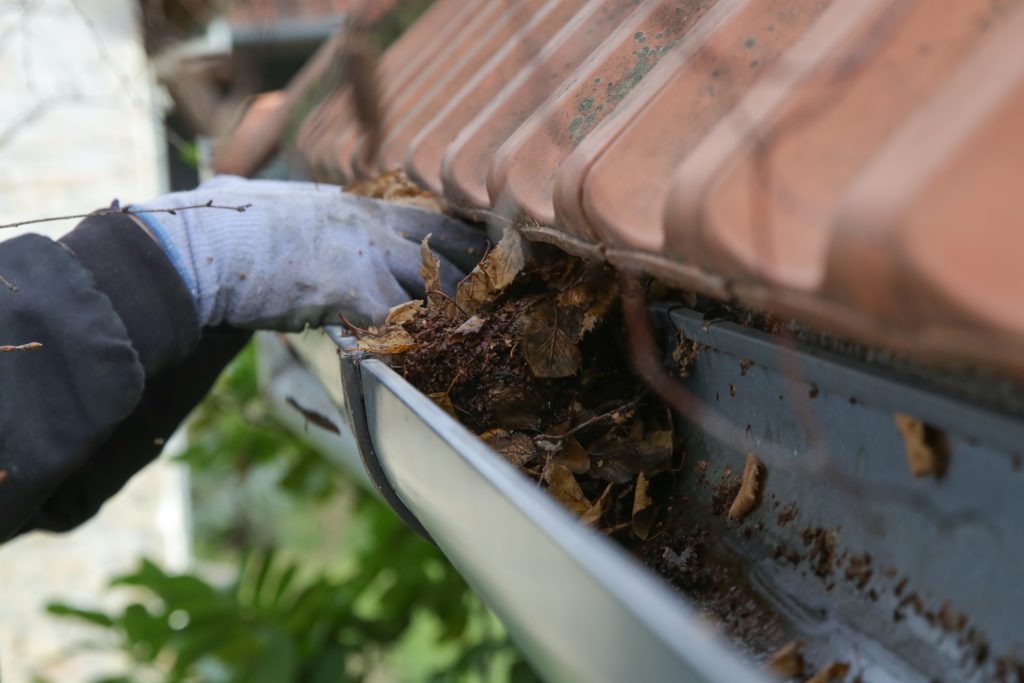
Yes, clogged gutters can prevent rainwater from flowing freely toward the downspouts. Leaves, twigs, dirt, and shingle granules can accumulate inside the channel, gradually restricting the space available for water to pass through.
When rainfall increases, the water may rise above the edge instead of draining away. You may notice overflow near trees, beneath roof valleys, or along sections where debris tends to collect.
If you can see buildup from a safe location, cleaning may restore normal flow. However, clearing the visible debris does not always resolve the issue. If water continues to overflow after the gutters have been cleaned, another drainage problem may be present.
Regular inspection and maintenance can help reduce recurring blockages, particularly if your property has overhanging trees.
2. Blocked Downspout
A blocked downspout can cause water to collect inside the gutter even when the channel itself appears relatively clean. The downspout carries rainwater from the gutter to the discharge point, so an obstruction can prevent the system from draining properly.
Leaves, compacted debris, and other material may restrict the outlet or the downspout itself. When that happens, water backs up and eventually spills over the gutter’s edge.
Look for visible signs such as water pooling in a section of gutter or little to no water exiting the downspout during rainfall. Check from the ground when conditions are safe, and avoid reaching into a downspout or attempting repairs at roof height without appropriate equipment.
If the blockage is difficult to access or the water continues to back up, professional assistance may be the safest option.
3. Poor Gutter Slope or Sagging
Incorrect gutter slope or sagging sections can interfere with gutter drainage. Gutters need to be positioned so water flows toward the outlets rather than collecting in low spots.
Loose hangers, damaged fasteners, or sections pulling away from the fascia can alter that alignment. You might notice visible dips, standing water after rainfall, or overflow concentrated around one section instead of occurring along the entire gutter.
These signs do not always confirm a slope problem, but they can indicate that the system needs closer inspection.
Cleaning will not correct an uneven gutter or a section that has become detached from the house. Depending on the condition, repairs may involve adjusting the alignment, securing the supports, or replacing damaged components. A professional can assess whether the existing system can be corrected safely.
4. Too Small Gutters for Heavy Rainfall?
Gutters can overflow during intense rainfall when the system cannot collect and carry away incoming water quickly enough. Capacity depends on several factors, including the roof’s drainage area, roof configuration, gutter dimensions, downspout capacity, and rainfall intensity.
A system that handles light showers may struggle when a large volume of water reaches the gutters in a short period. This is especially worth investigating if the gutters are relatively clean and the downspouts appear to be functioning.
Repeated overflow during ordinary rainfall may indicate a more persistent issue than an isolated problem during an unusually intense storm.
Before considering larger gutters or additional downspouts, have the entire drainage setup assessed. Replacing a gutter with a larger one may not solve the problem if the underlying restriction is elsewhere in the system.
5. Roof Valleys
Concentrated roof runoff can contribute to gutter overflow. Where two roof sections meet, a valley can channel a substantial amount of water toward one relatively small area of the gutter.
During heavy rain, water may move quickly enough to overshoot the gutter’s front edge instead of entering the channel. This can happen even when the gutter is clean, and the downspout is not blocked.
Look for overflow that occurs consistently beneath a roof valley or at a point where several roof sections direct water toward the same location. The pattern can help distinguish concentrated runoff from a general drainage restriction.
The appropriate solution depends on the roof design and gutter configuration. A professional can assess whether the gutter positioning, dimensions, or drainage arrangement needs adjustment.
6. Water Run Behind the Gutter
Water can run behind a gutter when its positioning or the surrounding roof-edge details do not direct runoff into the channel properly.
If you notice water staining the siding or fascia directly behind the gutter, do not assume that cleaning alone will fix the issue. Incorrect positioning, damaged components, or problems with the flashing may be contributing factors.
Water running behind the gutter differs from water spilling over the front edge. The first pattern suggests that water may be bypassing the collection system, while the second indicates that water is reaching the gutter but not being contained or drained effectively.
Because the roof edge and flashing can be difficult to inspect safely, avoid attempting roof-height repairs yourself. An assessment can help determine whether the problem requires repositioning, component repairs, or attention to the surrounding roof details.
7. Damaged or Poorly Installed Gutters
Damaged or incorrectly installed gutters can struggle to collect and direct rainwater as intended. Separated joints, loose connections, distorted sections, or gutters pulling away from the fascia can interfere with normal drainage.
You may notice water escaping at a joint, a section that appears uneven, or a gutter that moves away from the roofline. These issues can occur alongside other problems, including blockages or incorrect slope.
The right repair depends on the extent and location of the damage. A localized issue may be repairable, while extensive deterioration or a system that does not suit the roof may warrant considering replacement.
If overflow keeps returning despite routine cleaning, it is worth having the installation and overall condition evaluated instead of repeatedly treating the visible symptom.
Why Are Gutters Still Overflowing Even When They Aren’t Clogged?
Gutters can overflow without visible debris because the problem may involve drainage, alignment, or system capacity rather than a blockage inside the channel.
A restricted downspout can prevent water from leaving the gutter. An uneven section may allow water to pool, while a gutter that cannot handle the incoming volume may overflow during intense rainfall. Water can also overshoot the front edge when roof runoff is concentrated in one area.
Pay attention to when the problem occurs. Overflow during every rainstorm may point to an ongoing drainage or installation issue, while overflow only during intense downpours may indicate that the system struggles under heavier water flow.
If the gutters look clean, avoid assuming that more cleaning will solve the problem. Observing the overflow pattern and having the drainage system assessed can help identify the appropriate next step.
Why Do Gutters Overflow During Heavy Rain?
Heavy rain can send more water into the gutter system than it can collect and discharge at once. Even a properly maintained system may struggle under exceptionally intense rainfall, particularly when a large roof area directs water toward a limited number of outlets.
However, repeated overflow during ordinary showers should not be dismissed as normal. Existing debris, restricted downspouts, poor slope, concentrated roof runoff, or inadequate capacity may become more noticeable as rainfall increases.
Notice whether the overflow occurs at one specific point or along several sections of the gutter. A localized problem may suggest a concentrated flow or alignment issue, while widespread overflow may indicate a broader drainage limitation.
If the problem continues, a professional assessment can help determine whether maintenance, repair, or changes to the drainage configuration are appropriate.
How Can You Prevent Gutter Overflow and Improve Gutter Drainage?
The best solution depends on what is preventing water from moving through the system properly. Start with visible, accessible issues, but avoid attempting repairs that require unsafe ladder or roof work.
Here are some possible solutions based on the underlying cause:
- For clogged gutters: Remove accumulated debris using an appropriate cleaning method, or arrange professional cleaning if the gutters are difficult to access.
- For blocked downspouts: Have the obstruction cleared safely so rainwater can flow through the outlet and discharge point.
- For sagging or uneven gutters: Arrange an inspection to determine whether the supports, alignment, or damaged sections need repair.
- For water overshooting the gutter: Have the roof runoff pattern and gutter positioning assessed, particularly near roof valleys.
- For recurring overflow during heavy rain: Ask a professional to evaluate the system’s dimensions, outlet placement, and overall drainage capacity.
Avoid replacing gutters or adding components before identifying the underlying cause. A repair that addresses only the visible symptom may leave the original problem unresolved. If your gutters continue to overflow after basic maintenance, visit our gutter repair evaluation page to learn about the next steps for addressing the problem.
What Damage Can Overflowing Gutters Cause?
Recurring gutter overflow can allow water to collect around your home’s exterior instead of being directed away through the drainage system.
Depending on where the water goes, repeated overflow may contribute to soil erosion, damaged landscaping, stained siding, or prolonged moisture exposure around fascia boards. Water directed toward the building can also increase the risk of moisture intrusion and contribute to foundation-related concerns, depending on the property’s grading, soil, and drainage conditions.
Not every overflow event causes significant damage, but repeated exposure deserves attention. The longer the underlying problem persists, the more opportunity water has to affect surrounding materials.
Addressing the drainage issue early can help limit avoidable moisture problems and prevent a small maintenance concern from becoming a more involved repair.
When Should You Call a Gutter Professional for Gutter Repair?
Consider professional gutter repair when overflow continues after visible debris has been addressed, water repeatedly backs up in the downspouts, or sections of gutter appear loose, sagging, or damaged.
Professional assistance is also appropriate when water runs behind the gutter, overflow occurs regularly during ordinary rainfall, or you suspect that the system cannot handle the water coming from your roof.
Some problems are difficult to diagnose from the ground, particularly those involving gutter slope, roof-edge flashing, or the condition of elevated components. Avoid putting yourself at risk by climbing onto the roof or using a ladder in unsafe conditions.
At ALO Gutters, we can help you determine the next steps for addressing persistent gutter problems. Contact Us To Schedule a Free Estimate and have your gutter concerns evaluated.
Frequently Asked Questions About Gutters Overflowing
Is It Normal for Gutters to Overflow in Heavy Rain?
Occasional overflow during exceptionally intense rainfall can happen when water reaches the system faster than it can be collected and discharged. However, repeated overflow, particularly during ordinary rainfall, warrants an inspection for blockages, drainage restrictions, or insufficient capacity.
Can Gutters Overflow Without Being Clogged?
Yes. Gutters can overflow because of a blocked downspout, incorrect slope, sagging sections, concentrated roof runoff, or limited system capacity. If the gutters look clean but the problem persists, investigate the drainage system rather than assuming additional cleaning will resolve it.
How Can I Prevent Gutters from Overflowing?
Routine inspection and maintenance can help prevent debris from restricting water flow. Keep gutters and downspouts clear, address loose or damaged sections, and investigate recurring drainage problems. If overflow continues despite these measures, arrange a professional evaluation.
Can Overflowing Gutters Cause Water to Leak Into the House?
They can contribute to moisture problems when water reaches vulnerable roof-edge areas, siding, or other parts of the building envelope. The actual risk depends on the location and cause of the overflow, so water entering the home should be investigated promptly rather than attributed to the gutters without further assessment.
Should I Repair or Replace Overflowing Gutters?
Repair may be appropriate when the problem involves a localized blockage, loose support, or correctable alignment issue. Replacement may be worth considering when damage is extensive or the existing system is unsuitable for the roof’s drainage requirements. A professional assessment can help establish which option makes sense for the condition of your gutters.
What Should You Do Next If Your Gutters Keep Overflowing?
When gutters overflow, the most useful first step is to identify where the water escapes and under what conditions. Visible debris may be easy to address, but recurring problems can indicate a drainage restriction, alignment issue, or system that needs closer evaluation.
If the cause is unclear or the problem keeps returning, professional assistance can help you determine the appropriate repair.
Contact Us To Schedule a Free Estimate.
Want to see how this looks in real installations? View our Past Work to explore ALO Gutters’ completed projects and see examples of our work.