
Most residential gutters last between 10 and 30 years, depending on the material, installation quality, maintenance, and exposure to weather. Aluminum gutters, for example, commonly last around 20 to 30 years, while some other materials may last considerably longer. However, age alone does not determine whether your gutters need replacing.
So, how can you tell when your existing system is nearing the end of its useful life? Cracks, recurring leaks, sagging sections, and persistent drainage problems can all indicate that something is wrong. Understanding these warning signs can help you decide whether a repair will solve the problem or whether replacement deserves consideration.
In this guide, you’ll learn:
- How long different gutter materials typically last and which factors affect their lifespan.
- How installation quality, weather conditions, and maintenance influence gutter durability.
- The seven warning signs that indicate your gutters may need replacement.
- When gutter repairs may be enough and when replacing your gutters is the better long-term option.
- How to extend your gutters’ lifespan and recognize when a professional inspection is needed.
How Long Do Gutters Last by Material?
Most residential gutter systems last between 10 and 30 years, although the expected lifespan varies by material and installation conditions. Some metal gutters, particularly copper, can last 50 years or longer with appropriate care.
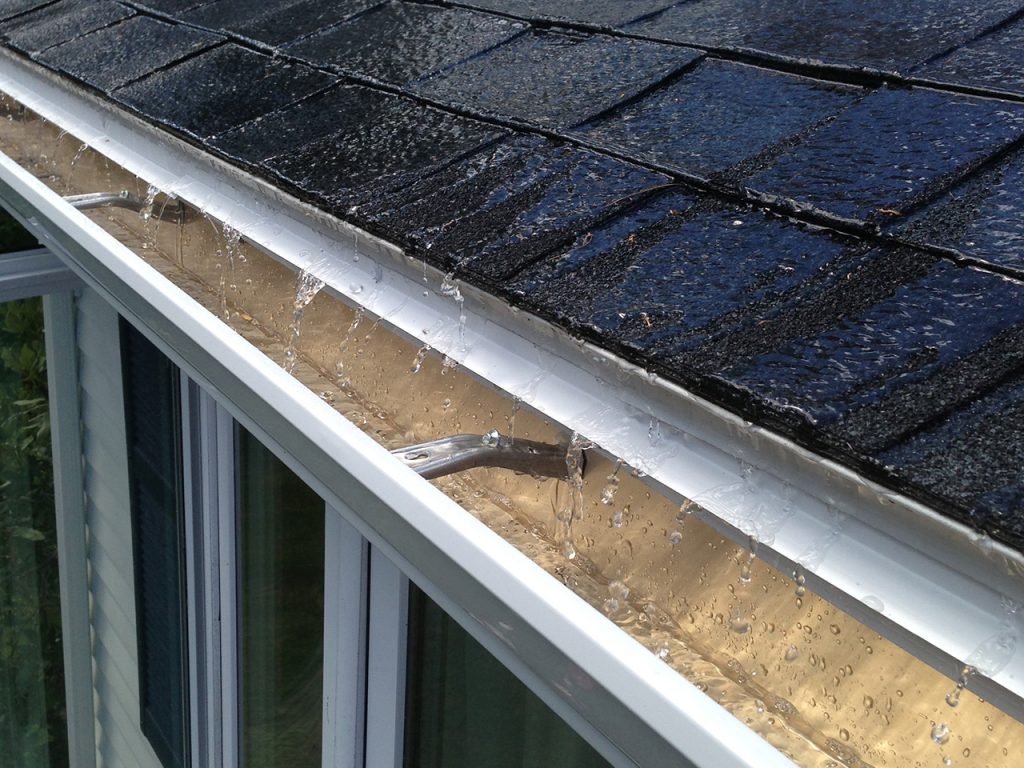
Here’s a general comparison of common gutter materials and their expected lifespans.
| Gutter Material | Typical Lifespan | What to Know |
|---|---|---|
| Vinyl | 10 to 20 years | Vinyl gutters are lightweight and resistant to rust, but prolonged weather exposure and temperature changes can make them brittle. |
| Aluminum | 20 to 30 years | Aluminum gutters resist rust and are widely used in residential applications, although they can dent or deform. |
| Galvanized steel | 20 to 25 years | Steel offers strength, but corrosion can become a concern if its protective coating deteriorates. |
| Copper | 50 years or longer | Copper is a durable option with a long potential lifespan, although installation quality and maintenance still matter. |
These figures are general estimates, not guarantees. Actual lifespan of your gutter depends on the quality of the materials, local weather, installation, maintenance, and the condition of the surrounding roofline.
At ALO Gutters, we install seamless aluminum gutter systems designed for New England weather. Our gutter installation services include 5-inch and 6-inch aluminum gutters made from .032-gauge material.
Choosing a suitable gutter system is an important first step. However, even durable materials need proper installation and routine attention to perform reliably over the years.
What Factors Affect Gutter Lifespan?
Gutter lifespan depends on more than the material alone. Installation quality, weather exposure, maintenance habits, and drainage performance all determine how long the lifespan of your gutter system holds up.
Installation Quality
Proper installation helps gutters collect rainwater and direct it away from your home. Gutters need secure fasteners, an appropriate slope, and properly connected downspouts to function as intended.
Poor installation can lead to sagging, standing water, leaks, and sections pulling away from the fascia. These problems may develop even when the gutters themselves are relatively new.
Weather and Maintenance
Rain, snow, ice, and temperature changes can place additional demands on gutter systems. Heavy debris accumulation can also obstruct water flow, while neglected leaks may contribute to damage around the roofline.
Regular cleaning and timely repairs can help prevent avoidable wear. Checking for loose fasteners, blocked downspouts, and visible deterioration also makes it easier to identify problems before they become more extensive.
In New England, seasonal weather makes proper drainage particularly important. Keeping your gutters in good condition helps them manage runoff throughout the year.
What Are the 7 Signs Your Gutters Need to Be Replaced?
The clearest signs that gutters may need replacing include widespread deterioration, recurring leaks, persistent sagging, and drainage problems that continue despite appropriate repairs. Not every issue requires a new system, but several problems occurring together deserve closer attention.
1. Are Your Gutters Cracked, Split, or Corroded?
Cracks, holes, and corrosion can indicate that your gutters are deteriorating. Small defects may be repairable, but widespread damage can make it increasingly difficult for the system to contain and direct rainwater effectively.
Inspect the visible sections of your gutters for splitting, rust spots, or areas where the material appears worn or weakened. Pay particular attention to older systems that have developed several damaged areas.
If damage is limited to one section, a repair may be enough. However, when cracks or corrosion appear throughout the system, replacing the affected gutters may be a more practical long-term option.
2. Are Your Gutters Sagging or Pulling Away From the House?
Sagging gutters or sections separating from the roofline can indicate loose fasteners, damaged supports, or deterioration around the fascia. These problems can prevent rainwater from flowing toward the downspouts as intended.
You may notice that certain sections dip in the middle or appear uneven when viewed from the ground. Water may collect in low spots instead of draining properly.
The good news is that loose hangers or isolated attachment problems may be repairable. If the gutter material is also damaged or several sections have begun separating from the house, a professional assessment can help determine whether repairs are still worthwhile.
3. Do Your Gutters Leak in Multiple Places?
Repeated leaks around seams, corners, and damaged sections can indicate that your gutter system is struggling to contain water. A single leak may be relatively simple to repair, but several recurring leaks can point to more extensive deterioration.
Check for water escaping from joints during rainfall, as well as stains or discoloration beneath the gutter line. If you’ve already addressed leaks but they continue to appear in different locations, consider having the entire system evaluated.
Replacing a system with widespread deterioration may help reduce the need for repeated repairs. However, the condition of the remaining gutter sections should guide that decision.
4. Do Your Gutters Overflow Even When They’re Clean?
Overflowing gutters do not always mean you need new ones. Blocked downspouts, improper slope, or insufficient drainage capacity can all prevent water from flowing through the system correctly.
If your gutters overflow during heavy rainfall, first consider whether leaves, debris, or other obstructions are restricting water flow. The system may also need adjustments or a closer look at its sizing and drainage design.
However, if the gutters are damaged, improperly configured, or consistently unable to handle runoff, replacement may be worth considering. The important step is to identify the underlying cause rather than assuming that overflow automatically means the gutters have reached the end of their lifespan.
5. Is Water Damaging Your Fascia, Siding, or Foundation?
Water stains, peeling exterior paint, deteriorating fascia boards, and erosion near the foundation can indicate that water is not draining away from your home effectively.
Damaged or overflowing gutters can contribute to these problems by allowing water to run down exterior walls or collect near the foundation. Still, other issues, including roof leaks and poor site drainage, can cause similar symptoms.
If you notice these warning signs, investigate where the water is coming from. Addressing the source promptly can help limit further damage.
Our gutter evaluation and repair services can help homeowners assess existing gutter problems and determine an appropriate next step.
6. Do You Need Gutter Repairs More and More Often?
Frequent repairs can be a sign that your gutters are approaching the end of their useful life. If leaks, loose sections, and drainage problems keep returning, it’s worth looking at the condition of the entire system rather than treating each issue separately.
For example, repairing one loose section may be reasonable if the rest of the gutters are in good condition. However, repeated repairs across several deteriorating sections may indicate that replacement deserves consideration.
Think about the overall pattern of problems, the condition of the materials, and whether previous repairs have resolved the underlying issues. A professional assessment can help you compare the likely benefits of further repairs with those of a new system.
7. Are Your Gutters Reaching the End of Their Expected Lifespan?
Older gutters deserve closer inspection, particularly when they also show signs of damage or declining performance. Aluminum gutters commonly last around 20 to 30 years, but their actual lifespan can vary considerably.
If your system is approaching that age range, check for corrosion, recurring leaks, sagging, and drainage issues. These symptoms can help you understand whether the gutters are still functioning reliably.
That said, age alone does not mean replacement is necessary. A well-maintained system may continue performing beyond its typical lifespan, while a poorly installed or damaged system may need attention much sooner.
The key is to consider the age of your gutters alongside their current condition and ability to direct water away from your home.
When Should You Replace Your Gutter System Instead of Repairing It?
Consider gutter replacement when damage is widespread, repairs keep failing, or the system no longer drains water effectively. On the other hand, isolated problems may be resolved without replacing every section.
Use the following comparison as a starting point.
| Gutter Problem | What to Consider |
|---|---|
| One loose hanger or detached downspout | A localized repair may restore proper function if the surrounding materials are sound. |
| One isolated leak | Repairing or sealing the affected area may be sufficient if the rest of the system is in good condition. |
| Multiple cracks or deteriorating sections | Consider whether widespread damage makes replacement more practical than repeated repairs. |
| Recurring overflow | Check for blockages, slope problems, and drainage limitations before deciding on replacement. |
| Extensive damage in an older system | A professional assessment can help compare the condition of the gutters with the likely cost and scope of further repairs. |
When deciding whether to replace gutters, consider their overall condition rather than focusing on one symptom. A newer system with an isolated problem may need only a simple repair, while an older system with multiple failures may benefit from a more comprehensive solution.
How Can You Extend the Life of Your Gutters?
Regular maintenance, prompt repairs, and effective drainage can help gutters reach their expected life term. Although maintenance cannot prevent every form of deterioration, it can reduce avoidable problems.
Here are several practical ways to care for your system:
- Gutters should be cleaned regularly. Remove leaves and other debris that can restrict water flow. Your cleaning schedule should account for nearby trees and the amount of debris your roof collects.
- Check for visible damage. Look for loose fasteners, sagging sections, cracks, and signs of leakage. Addressing minor problems early may prevent more extensive deterioration.
- Keep downspouts clear. Blocked downspouts can prevent water from draining properly, increasing the risk of overflow during rainfall.
- Pay attention after severe weather. When conditions are safe, inspect your gutters for visible damage after storms or periods of heavy snow and ice.
- Arrange an assessment when problems persist. Recurring leaks or drainage issues may indicate an underlying problem that routine cleaning alone will not resolve.
For more detailed advice, read our Complete Guide to Gutter Cleaning and Maintenance.
How Can You Tell Whether Your Gutters Need a Professional Inspection?
A professional inspection can help determine whether your gutters need a localized repair, adjustments to improve drainage, or replacement. This is especially useful when several warning signs appear together or when the cause of a problem is not obvious.
For example, recurring overflow may result from a blocked downspout or improper slope rather than failing materials. Similarly, a leak may be repairable if the surrounding gutter sections remain in good condition.
At ALO Gutters, we evaluate existing systems to help homeowners understand their options. Our recommendation depends on the condition of the gutters and the problems affecting their performance.
If you’re concerned about your system, contact us to schedule a free estimate. We’ll help you determine what needs attention and discuss an appropriate solution.
What Are the Most Common Questions About Gutter Replacement?
Can Gutters Last 30 Years?
Yes, some gutter systems can last 30 years or longer, depending on their materials, installation, maintenance, and exposure to weather. Aluminum gutters commonly last around 20 to 30 years, although individual systems may perform differently. Regular inspections can help you identify deterioration as the system ages.
Do Seamless Gutters Last Longer Than Sectional Gutters?
Seamless gutters have fewer joints along each run, which can reduce the number of potential leak points. However, their lifespan still depends on material quality, installation, maintenance, and weather exposure. Seamless gutters can develop leaks or other problems, so proper care remains important.
Should I Replace All My Gutters if Only One Section Is Damaged?
Not necessarily. If the damage is limited to one section and the rest of the system is in good condition, a repair or partial replacement may be sufficient. When several sections show widespread deterioration, replacing the entire system may be worth considering.
What Happens if I Don’t Replace Failing Gutters?
Failing gutters may allow rainwater to spill onto exterior walls, damage fascia boards, erode landscaping, or collect near the foundation. The consequences depend on the type of failure and how long the problem continues. Addressing gutter issues promptly can help reduce the risk of further water damage.
Are Your Gutters Ready for a Closer Look?
Gutters can last for decades, but their longevity depends on how well they are installed, maintained, and protected from damage. If you’ve noticed recurring leaks, sagging sections, or water draining where it shouldn’t, take time to assess the condition of your system.
Replacement is not always necessary. In many cases, a targeted repair can restore proper function. When deterioration is widespread, however, a new gutter system may be a more practical long-term solution.
Contact Us To Schedule a Free Estimate to discuss your gutter concerns with ALO Gutters.
Want to see how this looks in real installations? View our Past Work to explore examples of our gutter projects and learn more about the work we do.